Introduction to the Gothic Heritage
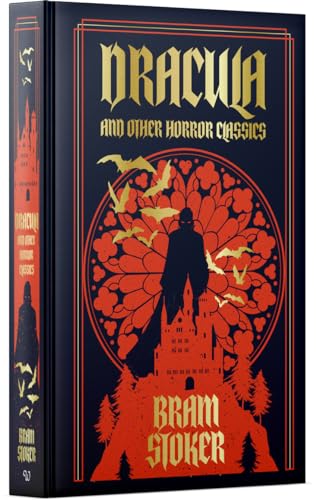
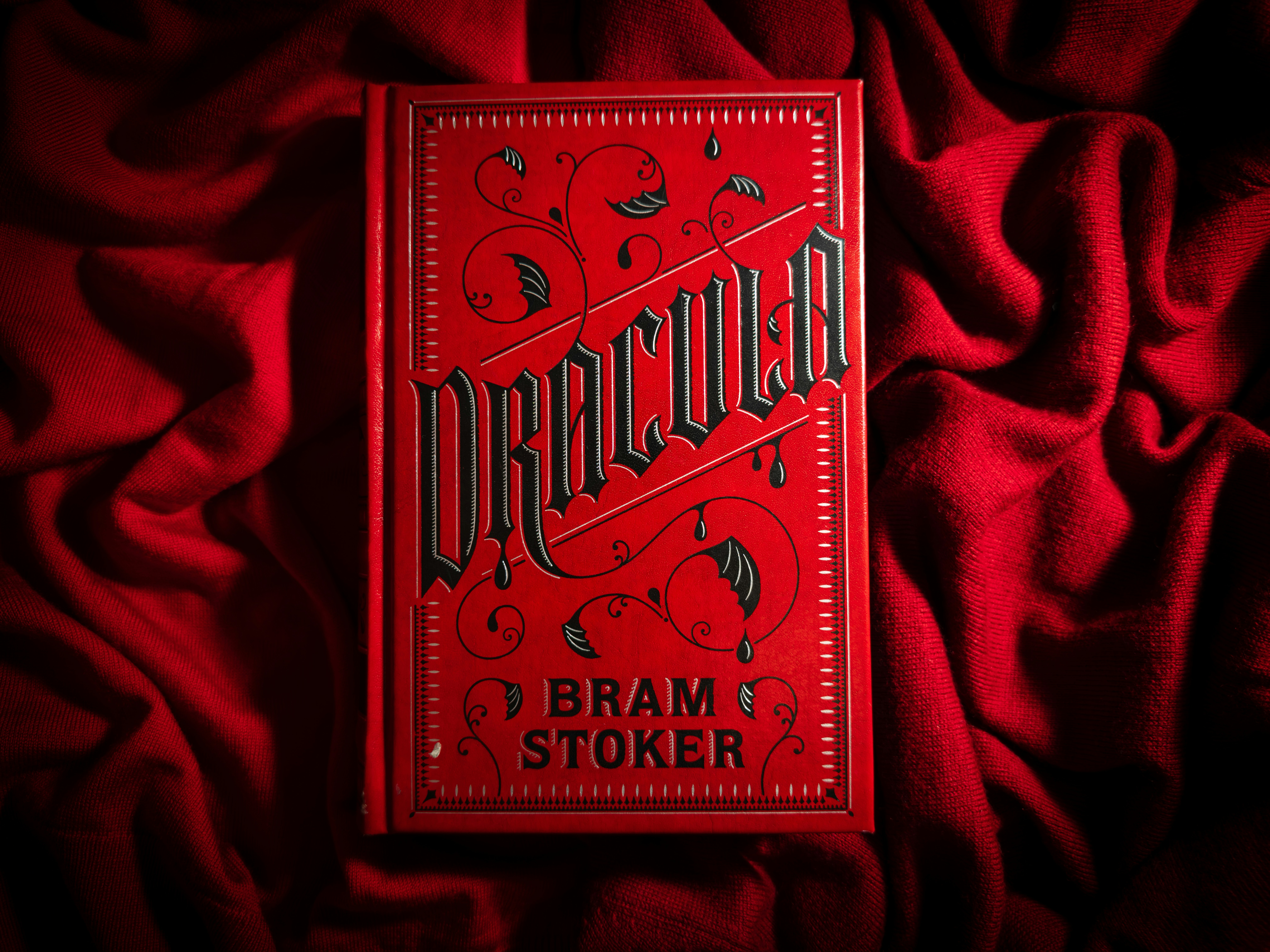
Bram Stoker’s seminal work, Dracula, serves as a cornerstone of the Gothic literary tradition, profoundly shaping the landscape of modern vampire fiction. The novel was published in 1897, capturing an era steeped in dark romance and the supernatural, elements which have become hallmarks of the genre. The Gothic style emphasizes a deep emotional resonance through its exploration of fear, anxiety, and desire, serving as fertile ground for Stoker’s narrative.
Notably, Stoker’s Dracula incorporates various Gothic elements such as eerie settings, troubled protagonists, and the interplay of light and darkness. The Transylvanian castle, where Count Dracula resides, epitomizes the classic Gothic atmosphere, filled with ancient myths and foreboding secrets. Such settings establish an environment that heightens tension and draws readers into a compelling world of fear and fascination. These conventions have not only influenced the creation of vampire tales but have also pervaded other forms of Gothic literature.
Moreover, the characterization of Count Dracula himself is emblematic of the duality often explored in Gothic fiction—he embodies both horror and allure. The vampire’s seduction of Lucy Westenra and Mina Harker portrays a complex relationship that combines themes of romance and terror, resonating deeply with contemporary narratives. This intricate balance has been embraced by modern interpretations, where the vampire often oscillates between being a terrifying predator and a romantic hero, thus continuing Stoker’s legacy.
In essence, Bram Stoker’s Dracula firmly anchors itself in the Gothic tradition, establishing conventions that continue to resonate within the realm of vampire fiction. The intricate blend of horror, romance, and the supernatural not only defines the novel itself but also lays the groundwork for the genre’s evolution, influencing countless works for generations.
The Character of Count Dracula: Archetype of Evil
Count Dracula, the enigmatic antagonist in Bram Stoker’s 1897 novel, is often regarded as the quintessential vampire figure. His characterization serves as a multifaceted exploration of evil, embodying allure, malevolence, and the grotesque duality of human nature. The core attributes of Count Dracula—his charisma, seduction, and monstrousness—form a template that has influenced the portrayal of vampire characters in literature, film, and various media.
One of the defining traits of Count Dracula is his undeniable charisma. Despite his frightful nature, he possesses a magnetic charm that draws people to him, illustrating the complexity of his character. This allure not only serves to entice potential victims but also presents a paradoxical view of evil. Modern vampire narratives frequently echo this character trait, where contemporary vampires often grapple with their dark instincts while simultaneously maintaining an irresistible appeal. This duality creates a compelling narrative tension that reflects society’s fascination with the darker aspects of humanity.
Moreover, Dracula’s seductive power highlights the themes of temptation and desire that remain prevalent in vampire fiction. His ability to seduce not just women but entire societies speaks to the broader fears of losing control and succumbing to one’s primal urges. This theme continues to resonate in modern adaptations, where vampire characters often navigate complex romantic relationships that blend longing and danger.
Lastly, Count Dracula’s monstrousness serves as a stark reminder of the darker elements lurking beneath the surface of humanity. His transformation from a seemingly civilized aristocrat to a bloodthirsty creature questions the nature of evil and the thin veneer of civilization. This attribute has paved the way for numerous adaptations, where the vampire symbolizes modern anxieties regarding identity, morality, and the monstrous potential within all individuals. The lasting influence of Count Dracula on contemporary vampire fiction underscores his significance as an archetype of evil, embodying the complexities of both charm and terror in the realm of the supernatural.
Themes of Sexuality and Transgression
In Bram Stoker’s seminal work, Dracula, the themes of sexuality and transgression starkly challenge the prevailing Victorian norms of the late 19th century. During this era, sexual repression was commonplace, and societal expectations dictated strict behavioral codes, especially regarding women. Stoker explores various facets of sexuality through his characters, particularly the vampire figures, who embody repressed desires and societal taboo. The act of blood-drinking in Dracula serves as a potent metaphor for sexual intercourse, drawing attention to the nature of desire as something both alluring and dangerous. The character of Lucy Westenra, who transitions from an innocent victim to a sexually liberated figure, highlights the tension between lust and societal expectations.
As modern vampire fiction evolves, it continues to engage with the exploration of sexuality and transgression. Contemporary narratives often reflect current societal issues surrounding gender roles, sexuality, and personal freedom. For instance, authors may present vampires as liberators of sexual identity, representing a safe space for exploring non-normative expressions of sexuality. This contrast with the repressive nature of the Victorian age accentuates how far society has come, yet reaffirms the ongoing struggle with these themes.
Modern interpretations also frequently delve into the complexities of consent, as the act of seduction in vampire lore often teeters on the edge of predation and allure. This ambiguity allows for nuanced discussions regarding the nature of power dynamics in relationships, inviting readers to analyze their implications and relevance in contemporary contexts. Vampires, as immortal beings, encapsulate the perpetual tension between societal expectation and the primal human desire for connection, further solidifying their place within both classic and modern literature.
The Role of Women in ‘Dracula’ and Beyond
The novel ‘Dracula’ by Bram Stoker presents complex female characters, notably Mina Harker and Lucy Westenra, who embody distinct aspects of femininity during the Victorian era. Mina, characterized by her intelligence and moral fortitude, is portrayed as a modern woman yet is confined within the societal expectations of her time. Conversely, Lucy exemplifies a more feminine ideal, characterized by innocence and vulnerability, but her transformation into a vampire challenges these traditional views of femininity, showcasing a clash between societal roles and female autonomy.
This duality in the representation of women is pivotal in understanding their roles not just in Stoker’s narrative, but in the wider context of vampire fiction. Mina’s strength, intelligence, and ability to adapt demonstrate a more empowered model of femininity, while Lucy’s descent into the vampire world highlights the dangers and consequences of abandoning societal conventions. As vampire fiction has evolved, so too have the representations of women. Contemporary narratives often subvert the traditional archetypes established in ‘Dracula’, frequently presenting female characters who possess agency, power, and independence.
The evolution of female characters in vampire literature mirrors the changing perceptions of women’s roles within society. As readers, we are invited to reflect upon the implications of these portrayals for gender and power, fostering a deeper understanding of how narratives may shape, and ultimately reflect, societal values around femininity.
The Influence of Technology on Vampire Stories
Technological advancements during Bram Stoker’s era played a pivotal role in shaping the narrative structure of his renowned work, Dracula. The integration of various technologies, such as typewriters and telegraphs, not only revolutionized communication but also enhanced the storytelling aspects of the novel. The typewriter enabled characters like Mina Harker to document their experiences and observations, which provided a modern twist to the traditional epistolary format. Similarly, the use of the telegraph introduced an element of immediacy and urgency, effectively heightening the suspense that characterizes the narrative.
As we progress into the digital age, technology continues to influence modern vampire fiction profoundly. Contemporary authors and creators harness the power of social media, smartphones, and other forms of advanced communication to bring vampires into today’s highly interconnected society. Unlike the solitary creatures of Stoker’s time, today’s vampires can thrive in environments saturated with digital connectivity, blurring the lines between horror and reality. The rise of social media platforms, for instance, allows vampires in modern narratives to engage with their victims in psychosexual games playing out through digital interactions, reflecting contemporary anxieties about privacy and surveillance.
Additionally, themes of modern surveillance—whether through CCTV, drones, or the pervasive reach of the internet—shift the narrative focus from physical encounters to psychological terror facilitated by advanced technology. This evolution in storytelling demonstrates how the essence of vampire fiction adapts alongside societal changes and technological transformations. By integrating these elements, contemporary vampire literature not only pays homage to Stoker’s foundational work but also explores relevant themes that resonate with today’s audiences in a complex digital landscape.
Dracula’s Global Footprint: Adaptations and Cultural Impact
Since its publication in 1897, Bram Stoker’s Dracula has had a profound impact on vampire fiction, shaping the genre in countless ways across cultures and mediums. This seminal work has not only spawned a myriad of adaptations in film, theater, and literature but has also influenced varying interpretations of vampire lore worldwide. These adaptations often preserve key elements of the original story while also reflecting unique cultural contexts and artistic sensibilities.
In cinema, the character of Count Dracula has been portrayed in diverse ways, from the iconic performance by Bela Lugosi in the 1931 film to modern depictions in works such as What We Do in the Shadows and Hotel Transylvania. Each adaptation brings its own flavor to the narrative, whether through horror or comedy, thereby broadening the appeal of the vampire archetype. Furthermore, international adaptations have introduced Count Dracula to various cultural narratives; for instance, the Chinese film Vampires vs. Bronx reinterprets the mythos within an urban setting.
Theater, too, has been instrumental in exploring and reimagining Stoker’s tale. Productions like Dracula: The Musical and other avant-garde interpretations have enabled audiences to engage with the text in innovative ways, using dance and music to convey the story’s darker themes. Each performance aims to capture the essence of the original while also adding fresh dimensions that are relevant to contemporary audiences.
In literature, the influence of Dracula persists through countless novels that either directly reference Stoker’s ideas or build upon them. Notably, contemporary authors like Anne Rice and Stephen King have drawn inspiration from the themes of immortality and the struggle between good and evil that are central to the original narrative. As a result, Stoker’s vision has set a standard for vampire fiction that continues to evolve, yet remains closely tied to the core concepts introduced over a century ago.
The Evolution of Vampires in Popular Culture
The publication of Bram Stoker’s ‘Dracula’ in 1897 marked a significant turning point in vampire fiction, establishing a template that has been continuously revisited and reinvented in subsequent decades. The archetype of the vampire as a suave, predatory figure captured the imagination of readers, setting the stage for the genre’s evolution. Over the years, the portrayal of vampires has undergone remarkable transformations, reflecting societal changes and cultural trends.
In the early 20th century, classic films such as ‘Nosferatu’ and Universal’s ‘Dracula’ further entrenched the vampire myth in popular culture. These films introduced a gothic aesthetic that would echo throughout the genre. The mid-20th century leaned towards campy interpretations, as seen in productions like the ‘Hammer Horror’ series. Here, the vampire became synonymous with sensationalism, focusing more on thrills rather than complex narratives.
The late 20th and early 21st centuries saw the emergence of new sub-genres that expanded the vampire’s repertoire. Urban fantasy, exemplified by series like Charlaine Harris’s ‘Southern Vampire Mysteries,’ offered a fresh take, blending horror with romance and humor. Meanwhile, the ‘Twilight’ saga introduced a generation to vampires who were romantic figures rather than predators, thus reshaping the typical vampiric image over time.
Additionally, horror-comedy, as showcased in films like ‘What We Do in the Shadows,’ enabled a playful reimagining of vampire lore, emphasizing the absurd rather than the horrific. This trend demonstrates the genre’s adaptability and resonance within various audiences—from young adults captivated by romantic thrillers to adults drawn to sophisticated, darkly comedic portrayals.
Today, vampire fiction continues to thrive, as its representations evolve to encapsulate an array of themes, including identity, morality, and survival. This transformative journey emphasizes the timeless allure of the vampire archetype, indicating that there will always be new stories to tell and fresh interpretations to explore.
Legacy of Themes: Immortality and Human Desire
The novel ‘Dracula’, written by Bram Stoker, delves deeply into themes of immortality, desire, and the fear of the unknown, which have continued to captivate readers for over a century. Central to this work is the notion of immortality, a double-edged sword that seduces yet also alienates. Count Dracula embodies this concept, offering eternal life through the very act of predation. His thirst for blood signifies not only a physical desire but also an insatiable craving for companionship, which speaks to a fundamental human longing. This dichotomy of existence—a life eternally yearning yet plagued by solitude—resonates with audiences today.
Moreover, the theme of desire in ‘Dracula’ transcends mere physical attraction, beckoning readers to contemplate deeper psychological implications. The attraction between Lucy Westenra and Count Dracula illustrates how desire can lead to personal disintegration. Modern interpretations of vampire fiction often echo these sentiments, suggesting that the pursuit of forbidden pleasures can lead to catastrophic consequences. As contemporary society grapples with its own desires—whether in romantic, social, or technological realms—Stoker’s exploration remains relevant.
The fear of the unknown, prominently featured in ‘Dracula’, also significantly influences modern vampire narratives. Stoker presents darkness not only as a literal absence of light but as a metaphorical space where primal fears reside. The unknown comprises the anxieties surrounding death, the supernatural, and the limits of human understanding. Subsequent vampire stories often pay homage to this theme, compelling characters to confront their own fears while navigating the seductive allure of the dark. The legacy of ‘Dracula’ thus survives, compelling modern writers to engage with these existential questions surrounding immortality and human desire.
Conclusion: The Enduring Legacy of Dracula
In reflecting on the profound influence of Bram Stoker’s Dracula, it is evident that this seminal work has not only shaped the vampire genre but has also transcended its initial Gothic roots to become a pillar of modern horror literature. Stoker’s narrative intricacies, layered characterizations, and exploration of darker themes around desire and fear have established a template that continues to shape contemporary vampire fiction. From the soldier-turned-vampire in Let the Right One In to the romanticized figures in Twilight, the ramifications of Stoker’s work are omnipresent.
The defining characteristics of Count Dracula as a multifaceted antagonist set a standard for portraying vampire lore, emphasizing their dual nature as both alluring and terrifying. As discussed, the themes of repression, sexuality, and colonial anxieties present in Dracula resonate with modern concerns, affirming its relevancy in current discussions surrounding identity and societal fears. This blend of horror with socio-political commentary creates a depth that many contemporary narratives often draw upon.
Moreover, the impact of Dracula extends beyond literature into wider popular culture, permeating films, television shows, and even video games, exemplifying its versatility and continual reinvention. The archetype of the vampire that emerged from Stoker’s narrative finds itself in diverse adaptations, consistently reinterpreted to reflect evolving societal narratives and fears. This versatility ensures that Dracula’s legacy remains vital, impacting how vampires are perceived and depicted in both classic and modern storytelling.
As we look towards the future of vampire narratives, it is clear that Stoker’s Dracula will remain a foundational influence. New narratives will continue to evolve, yet they will unavoidably reference the complex and captivating world of Dracula, ensuring his legacy lives on in both literature and popular culture.