Introduction to Dorian Gray’s Philosophy
Oscar Wilde’s seminal work, “The Picture of Dorian Gray,” elucidates profound themes revolving around beauty, hedonism, and moral corruption. This literary masterpiece introduces readers to Dorian Gray, a character emblematic of the conflicts arising when aesthetic desires overshadow ethical values. Central to Dorian’s philosophy is the notion that beauty is paramount; his life encapsulates the pursuit of sensory experiences devoid of the burdens of morality.
As Dorian becomes enamored with his own youthful appearance, catalyzed by Basil Hallward’s portrait, he enables a dangerous shift in his life philosophy. Wilde deftly illustrates how the fixation on external beauty can lead individuals to disregard their ethical responsibilities. The philosophical underpinnings manifest as Dorian grapples with the dichotomy between his outward charm and the internal moral decay that ensues. His initial statement of wishing to remain forever young highlights a fundamental desire prevalent in society—the rejection of aging and the ethical decay often associated with it.
The allure of hedonism is further compounded by the influence of Lord Henry Wotton, whose cynical outlook on life encourages Dorian to embrace a lifestyle driven by pleasure and self-indulgence. This seductive philosophy ultimately fosters a distorted view of individuality, wherein pleasure becomes the ultimate goal, causing chaos in Dorian’s relationships and sense of self. The gradual moral degradation of Dorian Gray showcases the implications of such a philosophy, wherein the chase for beauty, devoid of moral consideration, leads to inevitable corruption.
As the narrative unfolds, the consequences of Dorian’s philosophical choices resonate within the framework of Wilde’s critique of society. Ultimately, the exploration of Dorian Gray’s life acts as a cautionary tale, emphasizing the pitfalls of a life led solely by a relentless pursuit of beauty at the cost of moral integrity.
The Influence of Lord Henry Wotton
In Oscar Wilde’s “The Picture of Dorian Gray,” Lord Henry Wotton serves as a pivotal character, profoundly shaping Dorian Gray’s transformation from an innocent young man to a figure consumed by corruption and hedonism. Lord Henry embodies a compelling form of charismatic nihilism, espousing beliefs that celebrate the pursuit of aesthetic pleasure above moral constraints. His seductive philosophy profoundly impacts Dorian, acting as a catalyst for the troubling changes that unfold throughout the narrative.
Through his alluring discourse, Lord Henry introduces Dorian to ideas that challenge societal norms regarding beauty, love, and morality. His proclamation that “the only way to get rid of a temptation is to yield to it” encapsulates his approach to life and illustrates the allure of his philosophies. Dorian, initially influenced by the innocent admiration of his portrait, becomes increasingly fascinated by Lord Henry’s unapologetic outlook. The allure of a life defined by sensory experiences and personal satisfaction drowns out any remnants of Dorian’s previous moral compass.
As Dorian becomes more immersed in Lord Henry’s world, the relationship serves to highlight the theme of corruption. Dorian’s descent into a life of excess and depravity mirrors the values espoused by Lord Henry, who remains detached from the consequences of his influence. This dynamic not only illustrates the ease with which one can shift from innocence to moral decay but also reflects the broader societal commentary Wilde offers regarding hedonism and the superficial nature of beauty. Ultimately, Lord Henry Wotton emerges as both a mentor and a malevolent force, driving Dorian toward a fate steeped in despair and destruction.
Dorian Gray: A Study of Narcissism
Dorian Gray serves as a poignant study of narcissism, exemplifying how an obsession with youth and beauty can create a profound psychological decay. Initially introduced as an innocent young man, Dorian’s transformation begins when he sees his portrait, painted by Basil Hallward, which stunningly captures his physical allure. This moment marks the inception of his narcissistic tendencies, as Dorian expresses an intense desire to remain forever youthful while simultaneously wishing that the painting ages in his stead. This desire encapsulates the core of narcissism—the extreme preoccupation with oneself, often resulting in a disconnect from reality and those around one.
The implications of Dorian’s self-absorption become increasingly pronounced as the narrative unfolds. He becomes enmeshed in a superficial world of pleasure, where his physical appearance is revered above all else. This preoccupation spirals into ethical blindness, leading Dorian to commit increasingly immoral acts while assuming that his beauty shields him from the consequences of his actions. His increasing detachment emphasizes how narcissism can erode one’s ethical compass, revealing a singular focus on oneself that systematically ignores the humanity of others. In this way, Dorian Gray exemplifies the destructive nature of excessive self-love, portraying a character that is unable to empathize with those around him and is ultimately consumed by his own vices.
Moreover, Dorian’s relationship with Lord Henry Wotton plays a significant role in amplifying his narcissistic traits. Lord Henry serves as the catalyst for Dorian’s hedonistic spiral, encouraging him to indulge in the pursuit of pleasure at the expense of moral values. The influence of Lord Henry illustrates how external validation can exacerbate innate narcissism, propelling Dorian further into a life devoid of responsibilities and connections. Ultimately, Dorian Gray’s character serves as a cautionary tale about the psychological implications of narcissism, illustrating how an obsession with beauty and self can lead to ruin.
The Role of Art and Aestheticism in Corruption
In Oscar Wilde’s novel, The Picture of Dorian Gray, the interplay between art, aestheticism, and moral decay constitutes a significant element of the narrative. Wilde portrays art as a dual-edged sword that possesses the power to inspire beauty while simultaneously facilitating the potential for corruption. The character of Dorian Gray exemplifies this dichotomy; initially enthralled by the captivating portrait painted by Basil Hallward, Dorian becomes increasingly consumed by aesthetic pleasure, leading him down a path of moral degradation.
The undying adoration for beauty and the pursuit of aesthetic experiences serve as a catalyst for Dorian’s transformation. He becomes fixated on the idea that physical beauty is paramount, which allows him to justify a life devoid of moral responsibilities. The portrait, which reflects the true essence of his corruption, becomes a constant reminder of the consequences of his actions. This conflict between art and ethics is a central theme, raising questions about the responsibility of artists and the impact their work can have on public morality.
Furthermore, the philosophy of aestheticism that permeates Wilde’s work suggests that the value of art lies solely in its beauty, detached from moral implications. As Dorian indulges in a hedonistic lifestyle, the allure of aestheticism becomes synonymous with his corrupt behavior. This relationship underscores the tension between the appreciation of beauty and the risk of succumbing to decadence. Ultimately, Wilde’s exploration of art in The Picture of Dorian Gray reveals a profound commentary on the complexities of moral corruption and the dangers inherent in the unbridled pursuit of pleasure.
The Consequences of a Hedonistic Lifestyle
The Picture of Dorian Gray serves as an eloquent exploration of the perils entailed in a hedonistic pursuit. Dorian Gray’s decision to live solely for pleasure induces a decay of his character and morality, leading to disastrous consequences not just for himself but also for those surrounding him. As Dorian immerses himself in a life marked by excess and indulgence, the repercussions of his actions reverberate throughout his social circles, often ensnaring innocent individuals.
Initially, Dorian appears to relish the fruits of his hedonistic choices, marked by luxury, beauty, and sensual experiences. However, the darker ramifications soon manifest, revealing an ugly truth: pleasure sought without restraint invariably leads to personal and social corruption. Dorian’s relationships become increasingly superficial, characterized more by manipulation than genuine connection. His influence inevitably leads others astray, as seen in the tragic fate of individuals like Sibyl Vane, whose life spirals out of control due to Dorian’s abusive obsession with beauty and artifice.
Furthermore, Dorian’s refusal to acknowledge responsibility for the chaos around him isolates him from meaningful relationships and authentic experiences. This detachment ultimately results in a profound existential crisis; rather than finding fulfillment, he becomes a mere specter of his former self, haunted by the hideous portrait that reveals the true cost of his hedonism. The psychological decay mirrored in the painting and the profound personal suffering become intertwined, showcasing the inevitable fallout from his corrupt lifestyle.
In essence, the narrative underscores a critical awareness of how a hedonistic lifestyle, while initially alluring, can lead to an erosion of moral integrity, resulting in both personal anguish and widespread societal damage. Dorian’s journey starkly illustrates that the pursuit of pleasure devoid of ethical consideration often paves the way for ultimate ruin.
The Portrait as a Symbol of Corruption
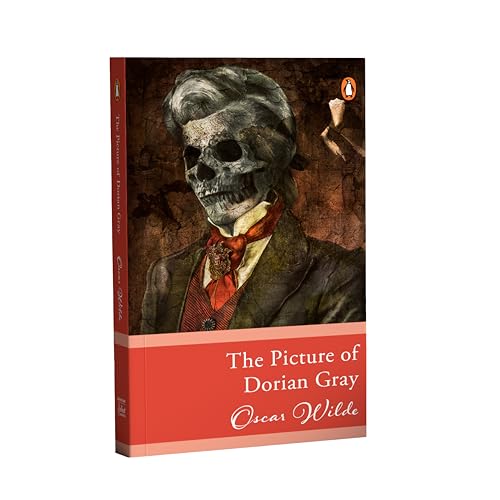
In Oscar Wilde’s “The Picture of Dorian Gray,” the portrait of Dorian serves as a pivotal symbol representing his moral decay and the gradual corruption of his soul. Initially, Dorian is portrayed as a young man of remarkable beauty and innocence, yet as he becomes increasingly indulgent in the hedonistic pleasures of life, his portrait acts as a mirror reflecting the darkness within him. The relationship between one’s physical appearance and moral state is explored deeply through this character’s journey, emphasizing how superficial beauty can mask profound corruption.
As the narrative progresses, Dorian’s actions become more depraved, leading to alterations in his portrait that starkly depict the impact of his immoral choices. The ugliness captured in the painting starkly contrasts with Dorian’s external appearance, highlighting the dissonance between his youthful façade and the internal rot festering within. This phenomenon underscores Wilde’s exploration of aestheticism, suggesting that beauty, untethered from morality, can culminate in a grotesque reality.
The portrait serves not only as a record of Dorian’s moral decline but also as a catalyst for further corruption. The awareness that his physical form remains unscathed while his internal degradation is immortalized in the painting gives rise to an insatiable desire for more transient pleasures. Dorian’s detachment from the consequences of his actions ultimately leads to his demise, as he fails to confront the reality represented in the portrait. Thus, the painting symbolizes a broader commentary on the dangers of allowing aesthetic values to overshadow ethical considerations, warning against the perils of a life lived solely for pleasure.
Psychological Ramifications of Duality
The concept of duality plays a pivotal role in Oscar Wilde’s “The Picture of Dorian Gray,” particularly concerning the protagonist, Dorian Gray himself. The juxtaposition between Dorian’s enchanting exterior and his corrupted inner self highlights the psychological complexities that emerge when one cultivates a false self. Dorian’s journey begins with an innocent appreciation for beauty, yet this appreciation quickly morphs into a dangerous obsession, leading him to make morally ambiguous decisions that fracture his identity.
Dorian Gray’s internal conflict surfaces as he grapples with the manifestation of his public persona, which is characterized by charm and sophistication, in stark contrast to the degradation of his soul. This dissonance signifies not only a personal upheaval but also reflects a deeper societal commentary on the nature of appearances versus reality. Dorian’s duality is symptomatic of a broader psychological struggle where one loses sight of their true self when seduced by superficial values.
The false self that Dorian constructs becomes a shield against the consequences of his actions, allowing him to navigate society while simultaneously engaging in increasingly immoral behavior. This psychological defense mechanism serves to protect his fragile ego but ultimately exacerbates his inner turmoil. The relentless pursuit of pleasure without moral restraint leads to a deteriorating sense of self, revealing the devastating impact of living a dichotomous life. As Dorian continues to indulge in a life detached from accountability, the psychological ramifications of duality become inescapable, manifesting in anxiety, guilt, and a longing for authenticity.
Ultimately, the exploration of duality in Dorian Gray’s character serves as a cautionary tale about the perils of external validation and the risks inherent in allowing one’s identity to be defined solely by societal expectations. The novel poignantly captures the fragility of the psyche when faced with the burden of maintaining a façade, thereby illustrating the profound psychological conflicts that can arise from such duplicity.
The Role of Consequences and Redemption
The journey of Dorian Gray in Oscar Wilde’s narrative is a poignant exploration of the consequences of moral corruption and the elusive nature of redemption. Throughout the novel, Dorian’s choices lead him to a life shrouded in hedonism and self-indulgence, distancing him from any semblance of ethical responsibility. As he indulges in the pleasures afforded by his eternal youth, he becomes increasingly aware that his actions, however pleasurable they may seem, bear profound moral repercussions. This awareness raises a critical question: Is there a path to redemption for someone as irrevocably corrupted as Dorian?
The psychological framework surrounding Dorian suggests that true redemption is complex and perhaps unattainable for him. Each act of moral transgression transforms not only his character but also the very essence of his soul, leaving him to grapple with the degradation that follows his choices. The painting, a true reflection of his internal decay, serves as a constant reminder of the consequences of a life led astray. It becomes increasingly difficult for Dorian to envision a return to innocence, as each indulgent act further entrenches him in a cycle of corruption.
Furthermore, Wilde’s narrative posits that redemption often requires acknowledgment of one’s sins, yet Dorian continuously evades this confrontation. He struggles with guilt but lacks the resolve to effectuate meaningful change. Dorian’s story illustrates the peril of avoiding one’s responsibilities and the potential for self-destruction that accompanies a refusal to face the truth. Ultimately, Wilde presents a harrowing view of the human psyche that complicates the notion of redemption. Given Dorian’s profound moral decay and his unwillingness to embrace the consequences of his actions, it seems evident that the opportunity for sincere redemption may be forever beyond his reach.
Conclusion: Reflections on Morality and Corruption
Oscar Wilde’s The Picture of Dorian Gray serves as a profound exploration of the complexities of human morality and the effects of corruption. This narrative illustrates how the pursuit of hedonism and aesthetic pleasure can lead to a profound disconnection from one’s own ethical compass. Central to this theme is the character of Dorian Gray, whose initial innocence is gradually eroded as he embraces a life devoid of moral responsibility. His journey underscores the fragility of virtue when confronted with temptation.
The transformation of Dorian reflects the broader implications regarding the nature of corruption in society. As individuals prioritize their desires over ethical considerations, they risk entering a cycle of moral decay. The novel poses critical questions regarding the societal structures that enable such descent into immorality, emphasizing that the allure of superficial beauty can obscure deeper truths. Wilde’s portrayal serves as a cautionary tale about the potential repercussions of prioritizing aestheticism above morality.
Moreover, the psychological ramifications of Dorian’s choices illuminate the internal conflicts individuals face when grappling with the difference between appearance and reality. The dichotomy between his outward façade and his inner corruption serves as a metaphor for the broader struggles within human psychology. This tension is especially relevant in contemporary society, where external validation often overshadows genuine moral considerations.
Ultimately, The Picture of Dorian Gray illustrates the timeless nature of its themes, reminding readers of the importance of self-awareness and accountability in their actions. As we reflect upon Wilde’s work, it prompts us to consider the delicate balance between desire and morality, urging a deeper examination of our values in a world that frequently celebrates surface-level ideals. The lessons drawn from Dorian’s life resonate with the moral inquiries we face today, encouraging a critical examination of both personal and societal ethics in our ongoing quest for meaning and integrity.