
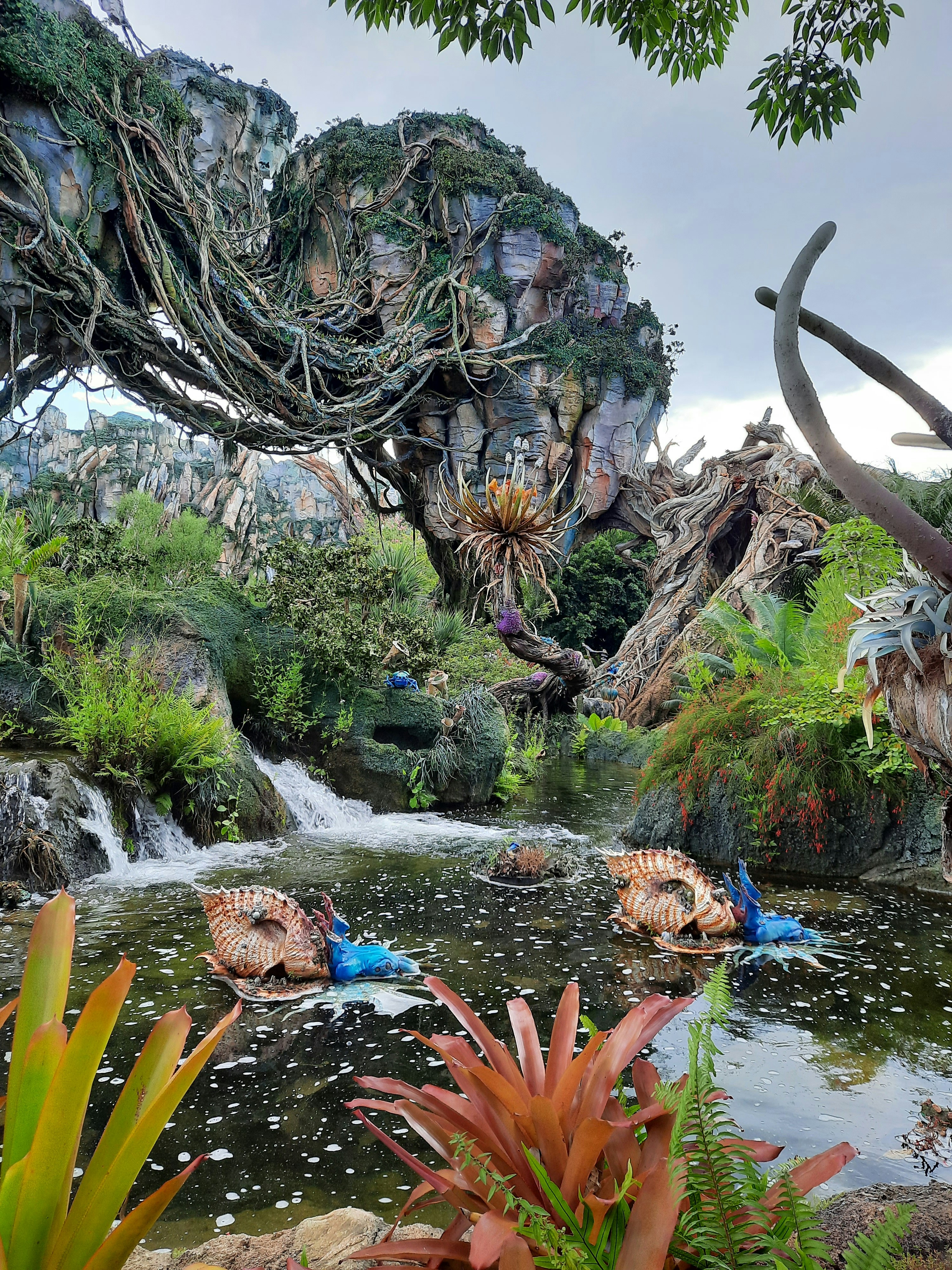
Jeff VanderMeer is a significant figure in the realm of speculative fiction, renowned for his ability to weave complex narratives that often blur the lines between reality and imagination. Born on July 7, 1968, in Belleville, New Jersey, VanderMeer spent much of his early life in the cultural melting pot of the Gulf Coast, particularly in Florida. This diverse landscape profoundly influenced his writing, providing a rich backdrop for the themes of ecological decay, human uncertainty, and the uncanny that permeate his works.
VanderMeer grew up reading a wide array of genres, from science fiction to horror. This eclectic literary exposure fostered his vibrant imagination and sharpened his skills as a storyteller. His early career included various roles in publishing, including editor and critic, which allowed him to develop a unique voice in the literary community. His first significant work, “Veniss Underground,” published in 2003, showcased his talent for combining elements of fantasy and horror, anchoring him firmly in the speculative fiction genre.
However, it was with his Southern Reach Trilogy, particularly the acclaimed novel “Annihilation,” released in 2014, that VanderMeer achieved widespread recognition. The trilogy explores themes of transformation, the fragility of ecosystems, and the effects of human intervention on nature, captivating readers and critics alike with its haunting prose and thought-provoking ideas. VanderMeer’s work has garnered numerous accolades, including the Nebula, World Fantasy, and James Tiptree Jr. Awards, solidifying his status as a key figure in contemporary speculative literature.
Through his unique storytelling style and profound thematic explorations, Jeff VanderMeer continues to challenge the boundaries of fiction, inviting readers to consider their relationship with nature, society, and the unexplained phenomena surrounding them.
The Defining Characteristics of VanderMeer’s Writing
Jeff VanderMeer is celebrated for his distinctive writing style that intricately weaves elements of various genres, including science fiction, fantasy, and horror. This unique blend results in narratives that are not only immersive but also often unsettling, drawing readers into rich, vividly drawn worlds. His works are characterized by a profound attention to detail, showcasing an exceptional ability to create environments that are both beautiful and eerily alien. VanderMeer’s prose is laden with lush imagery, allowing readers to visualize the intricacies of his settings and the complexities of his characters.
Additionally, themes of ecology play a significant role in VanderMeer’s writing. He deftly explores the interconnections between humans and their environments, often highlighting the fragility of nature and its ecosystems. This ecological mindfulness is particularly evident in works like the Southern Reach Trilogy, where the landscape itself acts as a character, shaping the narrative and influencing the fates of individuals within it. The uncanny—the sense of unease and the unfamiliar—permeates his narratives, inviting readers to confront the strangeness of the world and their perceptions of reality.
VanderMeer’s emotional depth stands out, offering a rich tapestry of psychological complexities that resonate with his characters. He delves into the inner lives of individuals, portraying their fears, desires, and vulnerabilities. This focus on psychological realism enhances the uncanny atmosphere of his narratives, prompting readers to navigate through layers of meaning and emotion. The interplay between dread and beauty in his works captivates audiences, making them reconsider their views on both the natural world and the human experience.
Exploration of Major Works
Jeff VanderMeer is widely recognized for his contributions to the genre of speculative fiction, particularly through his acclaimed Southern Reach Trilogy, consisting of Annihilation, Authority, and Acceptance. Each of these novels delves into themes of transformation, identity, and the relationship between humanity and nature, all while incorporating elements that contribute to the concept of ‘the weird’ in literature.
Annihilation, the first installment of the trilogy, introduces readers to an enigmatic and perilous ecosystem known as Area X, which has mysteriously reclaimed a section of the Florida coastline. The narrative follows a group of female scientists, each labeled by their profession, exploring both the haunting beauty and unsettling dangers of this area. The language used in the book effectively amplifies feelings of unease and curiosity, engaging readers in an introspective journey where the limits of understanding and communication are profoundly challenged.
Following Annihilation, Authority shifts its focus to the bureaucratic and administrative struggle within the Southern Reach, the government body tasked with investigating Area X. This second book explores themes of power, control, and the multidimensional nature of reality. Through the character of John Rodriguez, the new director, readers witness the internal conflict of authority versus the unknown, as he grapples with the mysterious findings from the first expedition. VanderMeer’s portrayal of this dynamic ultimately emphasizes the futility of trying to impose order on chaos.
Finally, Acceptance brings resolution and complexity to the narrative arc, weaving together the stories of previous characters while deepening the exploration of Area X’s broader implications. It beautifully encapsulates the theme of acceptance, both on a personal level and in relation to the larger existential questions raised throughout the series. The culmination of these stories allows readers to reflect on the intertwined nature of humanity and the mysterious worlds that lie beyond comprehension.
The Southern Reach Trilogy: A Closer Look
Jeff VanderMeer’s Southern Reach Trilogy, consisting of Annihilation, Authority, and Acceptance, is a masterclass in building a narrative that leaves readers on the edge of their seats. The trilogy revolves around Area X, an enigmatic quarantined zone that defies natural laws. VanderMeer’s use of shifting narrative perspectives creates a mosaic of experiences that enriches the story, drawing readers deeper into the complexities of both the setting and the characters.
The juxtaposition of scientific inquiry and psychological depth is particularly notable. Each character is intricately designed, revealing vulnerabilities and strengths that resonate with broader themes of human ambition and existential dread. For instance, the biologist in Annihilation enters Area X with a scientific purpose but soon becomes ensnared in the psychological labyrinth that challenges her understanding of identity and humanity.
Moreover, VanderMeer’s work serves as a poignant commentary on environmental issues, compelling readers to reflect on humanity’s relationship with nature. The transformation within Area X, caused by an unknown force, mirrors real-world ecological crises, pointing to the unforeseen consequences of human intervention in the natural world. The flora and fauna that emerge from this transformation often exhibit surreal characteristics, effectively illustrating the delicate balance between beauty and danger.
The atmospheric tension in the trilogy is masterfully cultivated through vivid imagery and subtle details. VanderMeer employs a tone that oscillates between hauntingly poetic and starkly clinical, evoking a sense of wonder intertwined with unease. By blending these elements, he invites readers to contemplate the intricate dance of attraction and repulsion in our perceptions of nature, ultimately crafting a world that feels as unsettling as it is beautiful.
Worldbuilding and Imagery
Jeff VanderMeer is renowned for his unique approach to worldbuilding, which intricately blends vivid imagery with unsettling environments that linger in the minds of readers. One of his most distinctive techniques is the use of sensory details that create an immersive experience, making the unfamiliar feel eerily familiar. By integrating rich descriptions that engage all five senses, VanderMeer invites readers to step into his worlds not only visually but also emotionally and physically. This deliberate manipulation of sensory input serves to foster a deeper connection between the reader and the narrative.
In works such as the “Southern Reach Trilogy,” VanderMeer crafts landscapes that are both beautiful and haunting. The lush descriptions of the biomes within Area X, for example, suggest a sense of wonder coupled with a feeling of dread. The flora and fauna described are often alien, exhibiting a surreal quality that blurs the line between nature and unnaturalness. The imagery evokes a feeling of being in an otherworldly environment, where beauty exists alongside danger. This dualism in his worldbuilding prompts readers to contemplate their relationship with nature and what lies beyond human understanding.
Furthermore, VanderMeer embeds philosophical undertones throughout his worlds, challenging readers to reconsider their perceptions of reality. His narratives often explore themes such as humanity’s impact on the environment, identity, and the concept of the unknown. Through his method of worldbuilding, VanderMeer invites reflection on existential questions, urging readers to contemplate the implications of their existence within these intricately woven, unsettling realms. Thus, his unique blend of sensory detail and philosophical inquiry serves to enrich not only the worlds he creates but also the experiences of those who inhabit them through literature.
VanderMeer’s Influence on the Speculative Fiction Genre
Jeff VanderMeer has become a pivotal figure in the realm of speculative fiction, primarily due to his unique narrative style and his ability to blend elements of horror, fantasy, and science fiction. His works, particularly the renowned Southern Reach Trilogy, showcase a distinctive approach to world-building that often presents unsettling landscapes and complex, non-linear storytelling. This unconventional method has inspired countless authors to explore themes of ecological decay, the uncanny, and the interplay between humanity and the environment, thereby pushing the boundaries of genre conventions.
The impact of VanderMeer’s writings extends beyond just narrative technique; it prompts readers and writers alike to reconsider the definitions of speculative fiction. Traditionally categorized into rigid sub-genres, speculative fiction has found new dimensions through VanderMeer’s exploration of hybrid forms. For instance, his work seamlessly integrates aspects of biopunk and weird fiction, encouraging authors to break free from the constraints of established norms. His influence encourages a prioritization of atmosphere and tone over the narrative itself, thereby redefining audience expectations.
Critically, VanderMeer’s contributions have received a commendable reception that acknowledges his ability to articulate themes resonant with contemporary societal issues. Reviewers often highlight the surreal quality of his prose, which mirrors the anxieties of the modern landscape. Fans appreciate how VanderMeer crafts settings that are both alien and familiar, evoking a sense of wonder while also instilling discomfort. His distinctive voice in speculative fiction has birthed an entire movement, encouraging deeper engagement with ecological and existential dilemmas.
Ultimately, VanderMeer’s work exemplifies how innovative storytelling can influence not only individual authors but also the broader evolution of speculative fiction as a genre.
Themes of Nature and Human Connection
Jeff VanderMeer’s narratives often explore the intricate tapestry of nature and human connection, delving into how these elements interact within complex ecosystems. His work is characterized by a profound understanding of ecological concerns, drawing attention to the fragility and beauty of the world around us. VanderMeer presents nature not merely as a backdrop but as an active participant in the narrative, influencing and shaping human experiences. This dynamic relationship becomes a central theme throughout his literary creations, offering a lens through which to view humanity’s often contentious relationship with the natural environment.
The themes of ecological concern are prevalent in VanderMeer’s work, where he frequently underscores the consequences of environmental degradation and the alienation of humanity from nature. His narratives compel readers to confront the reality of their surroundings, questioning the anthropocentric view that places humans above the natural world. Through rich imagery and evocative language, he illustrates the interconnectedness of all living beings, advocating for a more harmonious coexistence with the ecosystem. This approach encourages readers to reflect on their own role and responsibility in preserving the world.
Additionally, VanderMeer addresses existential questions within the context of nature, prompting a dialogue about identity and belonging. As characters navigate their surroundings, they often grapple with their place within the larger ecosystem. This exploration leads to a broader contemplation of what it means to be human in a world that is constantly changing. By intertwining themes of nature with human connection, VanderMeer invites readers to reconsider their perceptions and foster a deeper understanding of their relationship with the environment, ultimately highlighting the necessity of a symbiotic bond between humanity and the natural world.
Insights from Interviews and Commentary
Jeff VanderMeer, a prominent figure in contemporary literature, has often shared his perspectives through various interviews and commentaries. His reflections provide invaluable insights into his unique writing process, a blend of meticulous planning and spontaneous creativity. VanderMeer describes his work as an organic progression, wherein he allows the narrative to evolve naturally while being guided by a clear thematic vision. This balance between structure and fluidity enables him to craft intricately woven tales that engage the readers on multiple levels.
In his discussions, VanderMeer frequently cites nature as a primary source of inspiration. He has expressed a profound connection to the natural world, which is evident in his fiction. This relationship informs his settings and character developments, evoking a sense of place that feels both beautiful and unsettling. He often draws parallels between ecological themes and human experiences, suggesting that our interaction with the environment can reflect deeper existential questions. This approach not only amplifies the emotional weight of his narratives but also resonates with readers who are attuned to contemporary ecological concerns.
Moreover, VanderMeer’s commentary extends to his thoughts on current literary trends. He emphasizes the increasing importance of genre-blending—how boundaries are dissolving between literary fiction, science fiction, and fantasy. He champions this evolution as it opens doors for innovative storytelling and diverse narratives that challenge traditional tropes. According to VanderMeer, the contemporary literary landscape thrives on this dynamism, encouraging writers to experiment and redefine conventions. His insights reveal a thoughtful engagement with literature as a living, breathing art form, continually shaped by the cultural zeitgeist.
Conclusion: The Legacy of Jeff VanderMeer
Jeff VanderMeer has established himself as a pivotal figure in contemporary literature, particularly in the realms of speculative fiction and fantasy. His unique ability to blend breathtaking beauty with an unsettling atmosphere has redefined storytelling for many aspiring writers and seasoned authors alike. VanderMeer’s works, most notably the acclaimed “Southern Reach” trilogy, delve into themes of ecological transformation, human psychology, and the profound mysteries of nature, ultimately encouraging readers to engage deeply with the worlds he creates.
Through his detailed world-building and attention to character development, VanderMeer showcases a remarkable talent for drawing readers into immersive narratives that challenge perceptions. His narrative style, characterized by a fusion of lyrical prose and vivid imagery, fosters an emotional connection between the reader and the text, prompting readers to reflect on their relationships with the environment and themselves. This emphasis on complexity and ambiguity invites readers to embrace uncertainty, which is a hallmark of VanderMeer’s legacy.
Moreover, VanderMeer’s influence extends beyond his writing. As an editor and a thinker in the realm of speculative fiction, he advocates for the genre’s evolution and promotes underrepresented voices. His contributions to literature have not only inspired countless writers to explore new narrative possibilities but also sparked discussions on the ethical dimensions of storytelling. As a result, VanderMeer’s legacy lies not just in his own publications but also in the ripple effect of inspiration he instills in the literary community.
In conclusion, the impact of Jeff VanderMeer on contemporary literature is profound. His distinctive blending of beauty and unease compels both readers and writers to explore new horizons within storytelling. VanderMeer’s dedication to crafting narratives that reflect the intricacies of existence ensures that his legacy will resonate for generations to come.