
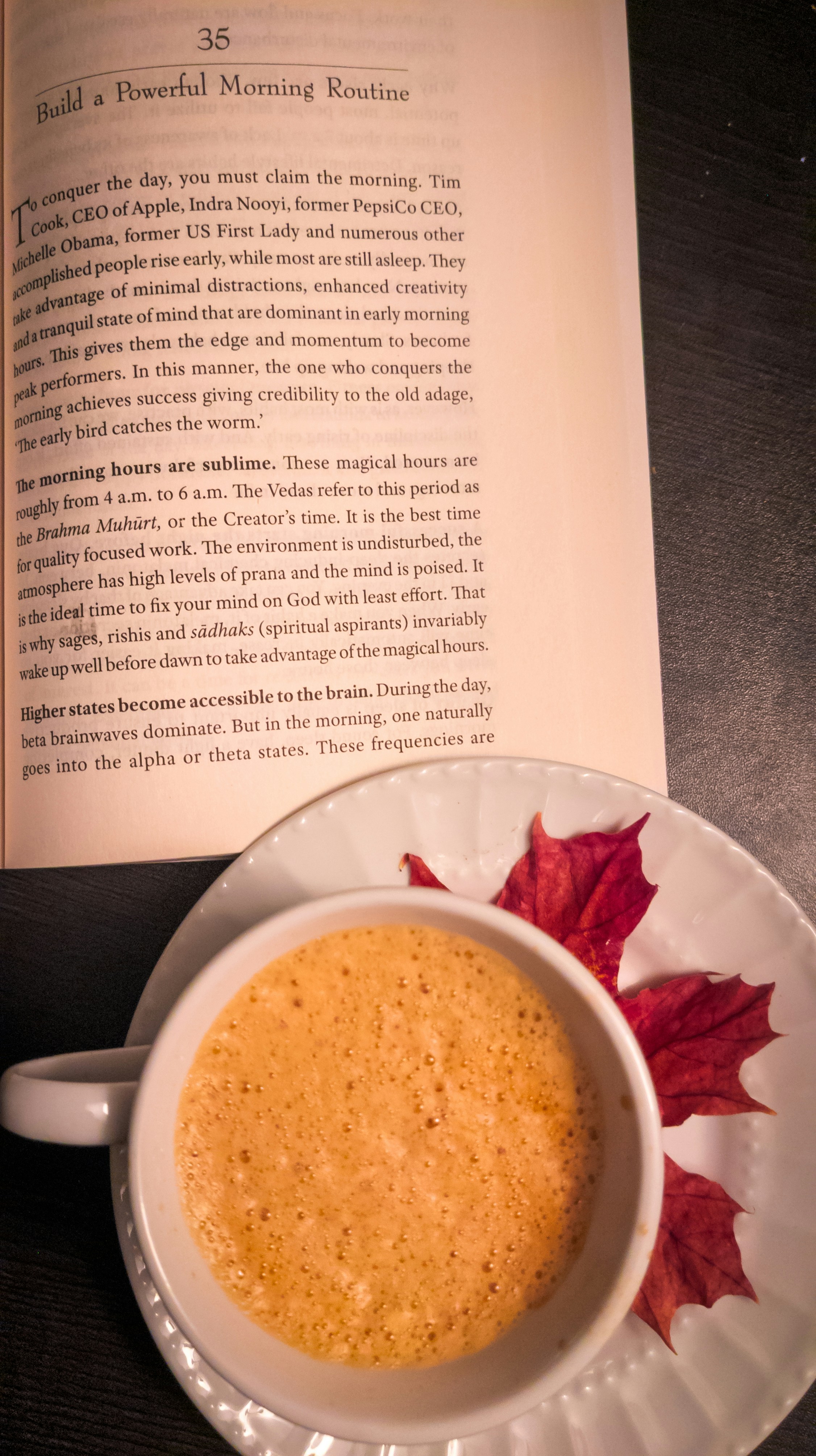
Understanding the Importance of a Writing Routine
Establishing a writing routine is crucial for aspiring and established writers alike. A consistent writing schedule provides a structured environment that not only boosts productivity but also serves as a catalyst for creativity. When writers commit to a specific time each day or week dedicated to their craft, they cultivate a disciplined mindset that encourages regular output. This regularity helps in overcoming the common hurdle known as writer’s block, as the act of writing becomes habitual rather than sporadic.
Moreover, having a writing routine fosters the development of essential writing skills. Regular practice is paramount in any discipline; writing is no exception. When writers engage with their work consistently, they encounter various challenges that prompt growth and refinement of their skills. This iterative process allows them to explore different genres, styles, and techniques, all of which enhance their versatility and overall writing prowess.
Additionally, a structured writing routine can have a significant positive impact on mental well-being. Engaging in creative writing can be therapeutic, providing a safe outlet for expressing thoughts and emotions. This practice not only supports mental clarity but also establishes a sense of accomplishment, contributing to a writer’s self-esteem. With a consistent routine, writers can better manage deadlines, reducing the pressure that often leads to stress and burnout. By allocating specific time blocks for writing, they can set realistic goals that align with both personal aspirations and external expectations.
In summary, the importance of a writing routine cannot be overstated. It is an invaluable tool for enhancing productivity, nurturing creativity, and promoting mental well-being. By embracing a structured approach to their writing, individuals can not only refine their craft but also achieve a fulfilling and sustainable writing practice over the years.
Identifying Your Goals as a Writer
Establishing clear writing goals is essential for any writer seeking to cultivate a sustainable writing routine. To begin, it is important to formulate goals that are not only specific but also measurable, achievable, relevant, and time-bound (SMART). This approach provides a structured framework that can guide your writing journey and create a sense of accountability.
For instance, instead of setting a vague goal such as “I want to write more,” a SMART goal would be “I will write 500 words daily from Monday to Friday.” This not only provides a clear target but also a distinct timeline for achieving it. Such numerical metrics help track progress and enhance motivation, pushing you to meet or exceed your daily targets.
Moreover, aligning your writing goals with personal aspirations and career objectives is crucial. If your ambition is to publish a novel, your goals could include completing a specific number of chapters by a particular date or finishing a complete draft within six months. Alternatively, if your focus is on freelance writing, setting deadlines for submitting articles or proposals might be more pertinent.
Additionally, regularly reviewing and adjusting your goals can lead to more productive writing habits. Life circumstances, such as changes in personal responsibilities or career developments, may necessitate adjustments to your original plans. Therefore, it is beneficial to keep your goals flexible while remaining committed to your writing objectives. In devising effective goals, consider your unique timescale and capacity to ensure they are realistic.
Ultimately, by identifying and committing to SMART goals, you are laying a solid foundation upon which to build a writing routine that can last for years, ultimately guiding you toward achieving your broader writing aspirations.
Choosing the Right Time and Place for Writing
Creating a sustainable writing routine requires careful consideration of both the timing and environment in which you write. Identifying the hours when you are most productive can significantly influence your writing output and overall quality. For many writers, this productive window often varies based on personal preferences and daily schedules.
To determine your optimal writing time, begin by tracking your energy levels throughout the day. You may find that you write best in the early mornings when your mind is fresh, or perhaps late in the evenings when you can reflect on the day’s events. Experimenting with different times can help you pinpoint those moments when ideas flow more seamlessly. It is essential to choose a time that aligns with your natural rhythms, as this can enhance focus and creativity.
In addition to timing, creating a dedicated writing space is paramount for developing a lasting writing routine. A designated area free of distractions can help signal to your brain that it is time to write. This space should be equipped with everything you need, from a comfortable chair to adequate lighting. Environmental factors, such as noise levels and comfort, play a significant role in your ability to concentrate, so consider personalizing your writing nook to suit your preferences.
Moreover, it is beneficial to establish boundaries within this space. Communicate with others about your writing time, ensuring that you can immerse yourself fully in the creative process without interruptions. Whether you choose a quiet corner of your home or a local café, the key is to find a place that inspires and motivates you. By actively choosing the right time and setting, you lay the foundation for a writing routine that endures and evolves well into the future.
Establishing a Daily or Weekly Schedule
Creating a sustainable writing schedule is essential for developing longstanding writing habits that can adapt to personal and professional responsibilities. When establishing such a routine, it is crucial to consider not only the time available but also the energy levels and concentration capacity throughout the day. Writing can be a demanding task that requires mental clarity, hence identifying your optimal writing time is key to maintaining consistency.
Begin by evaluating your current lifestyle. Take note of your daily commitments, work obligations, and personal activities. Acknowledging these factors can help in pinpointing suitable time slots for writing. For instance, if you find you are most alert and productive in the early mornings, consider dedicating those hours exclusively for writing. On the other hand, if evenings work better for you, establish a routine that accommodates this preference. Consistency is more easily achieved when your writing sessions align with your peak performance periods.
Moreover, it’s advisable to create a weekly schedule as well, which combines writing with other life priorities. This could mean allocating specific days to focus on writing projects while leaving room for other tasks on alternate days. For example, you might write for two hours each Monday, Wednesday, and Friday, while reserving Tuesdays and Thursdays for personal engagements or professional duties. Such a structure not only keeps your writing routine stable but also allows flexibility in managing your other responsibilities.
Ultimately, the best writing routine is one that feels achievable and aligns with your daily life. Commit to refining your schedule periodically, as both personal and professional circumstances often change. Crafting a routine that respects these dynamics ensures a lasting writing habit, enriching your creative process and output over time.
Incorporating Writing Prompts and Exercises
In the pursuit of developing a sustainable writing routine, the strategic use of writing prompts and exercises can significantly enhance creativity and maintain consistency. Writing prompts serve as catalysts for sparking ideas and overcoming writer’s block, while various exercises foster skill development and organization in one’s writing process. By integrating these tools into a writing schedule, individuals can keep their motivation high and ensure a steady flow of ideas.
One effective type of writing prompt is the open-ended question, which challenges writers to explore concepts without restriction. For example, prompts like “What would happen if time travel were possible?” encourage imaginative thinking and lead to unique storylines or essays. Additionally, specific scenarios or character-based prompts can inspire narratives that may have otherwise remained unwritten. These engaging prompts not only stimulate creativity but also provide a structured approach to exploring new ideas.
Incorporating timed writing exercises is another way to boost productivity and focus. Practice sessions where writers dedicate a set duration, such as 10 or 15 minutes, to write continuously on a topic can be particularly beneficial. This method helps in establishing a habit while reducing the anxiety associated with perfectionism, as the emphasis is on output rather than meticulous editing during these sessions.
Furthermore, varying the type of writing prompt used can keep the routine fresh and exciting. From poetry and journaling to flash fiction and scene-building activities, different forms of writing exercises cater to diverse interests and help structure a comprehensive writing regimen. By intentionally selecting prompts that challenge one’s abilities, writers can enhance their skills and broaden their perspectives. Embracing these practices not only nurtures creativity but also fosters a strong, enduring writing habit that can last for years.
Tracking Progress and Adjusting Your Routine
Establishing a writing routine is essential for aspiring writers looking to hone their craft over time. However, the process does not end with the initial formulation of a schedule. An equally important aspect of sustaining this practice involves tracking your writing progress. Evaluating your performance regularly allows you to maintain an awareness of your productivity levels and identify areas for improvement.
One effective method for tracking progress is through journaling. By maintaining a dedicated writing journal, you can record daily word counts, note specific writing prompts, or reflect upon your creative process. This practice creates a tangible history of your growth and challenges while providing insight into your writing habits and productivity trends. Furthermore, utilizing digital tools like apps specifically designed for writers can help track your daily accomplishments and set reminders for your writing sessions. Many of these applications come with features that allow you to visualize your progress over time, thus motivating you to stay committed.
While tracking is beneficial, flexibility in your writing routine is just as crucial. The adaptability to adjust your schedule can serve as a significant advantage. You may find, for instance, that writing in the early morning suits you better than late at night. Alternatively, experimenting with different writing environments, such as working from a café or a library, may inspire creativity in ways that a home office cannot. Regular assessments of what methods and environments are yielding the best results can guide your adjustments. Gathering feedback on your writing from peers or mentor figures can also provide insights that inform necessary changes to your routine.
Building Accountability and Support Networks
Establishing a sustainable writing routine often hinges on the support provided by accountability partners, writing groups, and mentors. These individuals play a crucial role in fostering discipline and motivation among writers, acting as a source of encouragement and feedback. By engaging with a supportive writing community, writers can enhance their commitment to their writing goals and increase the chances of long-term success.
An accountability partner can provide both motivation and a sounding board for ideas. This person can be someone who shares similar writing interests or someone who understands the challenges of the writing process. Regular check-ins, whether via phone calls, emails, or in-person meetings, can offer necessary structures to maintain focus and assess progress. Additionally, sharing daily or weekly writing goals with an accountability partner creates a sense of responsibility that can significantly boost productivity.
Participating in a writing group can further enrich a writer’s experience. Writing groups usually consist of individuals with diverse skill levels and backgrounds who come together to share their work and critique one another’s writing. This collaborative environment fosters community and enhances the writing journey by offering different perspectives and constructive feedback. When selecting or forming a writing group, it is beneficial to consider the dynamics of group members, ensuring that everyone is supportive and equally committed to a routine.
Mentors can also serve as invaluable resources in a writer’s development. A mentor may provide guidance, share personal experiences, and help navigate obstacles in the writing process. Their wisdom can inform best practices in establishing a consistent routine and overcoming common challenges faced by writers. Assembling a network of accountability partners, writing groups, and mentors ultimately lays the foundation for a robust writing routine that can withstand the test of time.
Embracing Flexibility and Self-Compassion
Developing a sustainable writing routine is not merely about sticking to a rigid schedule; it also requires an understanding of the need for flexibility and the importance of self-compassion. Life is inherently unpredictable, and challenges may arise that disrupt even the best-laid plans. Acknowledging this reality allows writers to adapt their routines without feelings of guilt or inadequacy.
When setbacks occur, such as writer’s block or unforeseen personal commitments, it is crucial to refrain from harsh self-criticism. Embracing self-compassion means recognizing that writing is a process that fluctuates and evolves over time, rather than a fixed destination. By allowing oneself the grace to navigate these ups and downs, writers can maintain their passion and motivation.
One practical strategy for integrating flexibility into a writing routine is to set adjustable goals. Instead of rigidly adhering to daily word counts or specific topics, consider focusing on broader milestones. For instance, aiming to complete a chapter or reach a certain number of ideas within a week provides a framework that can accommodate unexpected changes in schedule. This approach fosters a sense of achievement while promoting a healthier relationship with the writing process.
Additionally, cultivating a support system can prove invaluable during challenging times. Engaging with fellow writers or joining writing groups offers encouragement and shared experiences. Such interactions serve as a reminder that encountering difficulties is a normal part of the creative journey and that one is not alone in these struggles.
Ultimately, embracing flexibility and self-compassion not only enhances resilience but also enriches the writing experience. It invites writers to view their journey with a sense of curiosity and openness, making it possible to build a sustainable writing routine that lasts for years.
Celebrating Achievements and Milestones
In the journey of building a writing routine, recognizing and celebrating achievements—be they significant milestones or small victories—plays a vital role in sustaining motivation. Each completed chapter, polished paragraph, or even a revised outline can be cause for celebration. These milestones are not merely checkpoints; they contribute to reinforcing one’s commitment to a writing practice that can endure over the years.
Celebrating achievements cultivates a sense of accomplishment and provides positive reinforcement. It serves as a reminder of the progress made and the goals achieved, which can be particularly important in moments of self-doubt or creativity blocks. By taking the time to acknowledge these moments, writers are more likely to maintain consistency in their efforts. Each reward, regardless of its size, can function as a motivational boost that inspires continued dedication to the writing process.
To implement an effective way of celebrating, writers might consider developing a system of rewards tailored to their preferences. This can involve treating oneself to a favorite snack after completing a set word count or taking a short break to enjoy a leisurely activity after finishing a substantial draft. More elaborate celebrations could include organizing a small gathering with fellow writers to share achievements or presenting oneself with new writing tools or books, thereby promoting the continuous growth of skills and inspiration.
Moreover, documenting these celebrations in a journal or through social media provides additional layers of accountability and community support. Sharing successes with others not only solidifies these achievements but also invites encouragement and feedback from peers, further enhancing motivation. Creating a culture of celebration within the writing community can deepen connections and inspire everyone involved, fostering an environment where each writer feels valued and empowered.