
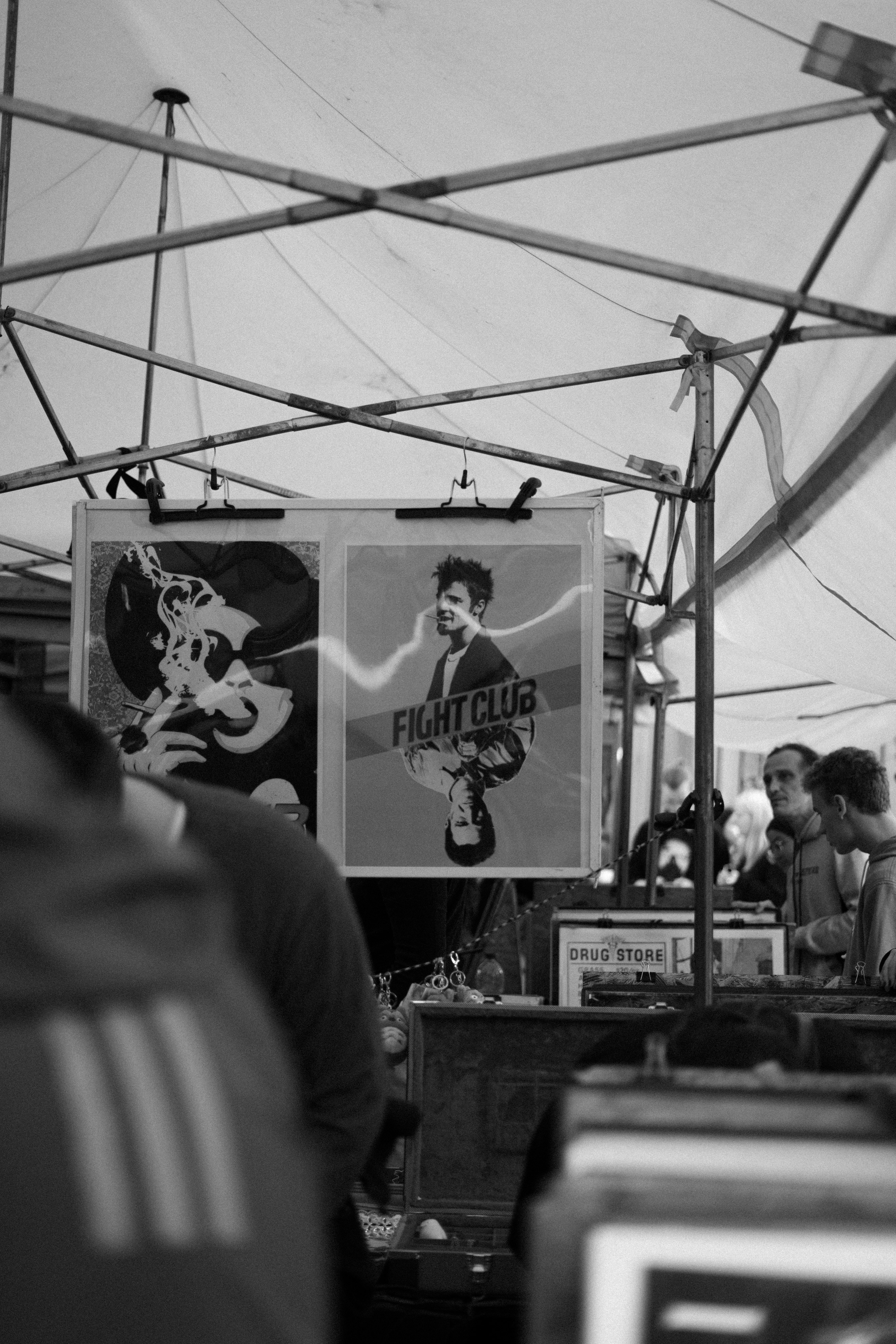
Introduction to Fight Club
Released in 1999, Fight Club emerged as a significant cultural phenomenon, captivating audiences with its complex themes and striking narrative. Directed by David Fincher and based on the novel by Chuck Palahniuk, the film presents an unsettling exploration of modern identity, societal chaos, and masculinity. Through its unconventional storytelling and impactful style, Fight Club continues to resonate with viewers across generations, making it a pivotal study in contemporary cinema.
At its core, the narrative follows an unnamed protagonist, often referred to as the Narrator, who embarks on a tumultuous journey to discover his true self amid a consumer-driven society. This quest leads him to the enigmatic Tyler Durden, whose radical beliefs and philosophies challenge societal norms. The film’s portrayal of a struggle for identity amidst chaotic circumstances highlights the internal conflicts many individuals face when grappling with their place in an ever-evolving world.
The overarching themes presented in Fight Club are multifaceted, inviting discussions around masculinity in a contemporary context. The film critiques traditional notions of manhood, depicting characters who are disillusioned and seeking a sense of purpose through camaraderie and primal instincts. As the characters engage in the literal and metaphorical battles that define their existence, the film delves into the chaos that often accompanies the search for authenticity.
Ultimately, the enduring significance of Fight Club lies in its ability to provoke thought on complex societal issues, such as identity crises and the disintegration of traditional values. As we explore these themes in depth, it becomes evident how they interweave to create a narrative that remains relevant today, offering insights into the human psyche and societal dynamics.
The Concept of Identity in Fight Club
The film Fight Club, directed by David Fincher and based on Chuck Palahniuk’s novel, delves deeply into the complexities of identity, particularly within the context of modern consumer culture. The protagonist, portrayed by Edward Norton, grapples with a profound sense of disillusionment stemming from his monotonous, materialistic life. He is trapped in a cycle of consumerism, leading to feelings of emptiness and alienation. This struggle is emblematic of a broader societal issue where individuals often derive their self-worth from possessions rather than intrinsic qualities.
The emergence of Tyler Durden, played by Brad Pitt, serves as a pivotal point in the narrative. Tyler represents not only the protagonist’s alter ego but also a radical departure from societal expectations. Through Tyler, the protagonist begins to explore the more primal, instinct-driven aspects of his identity, challenging the constraints imposed by a consumer-oriented society. This duality illustrates the internal conflict between the desire to conform and the thirst for true self-expression.
Key scenes highlight this battle for self-definition, such as the moment when the protagonist first encounters Tyler and the anarchic philosophies he espouses. This encounter marks a significant turning point, as Tyler encourages the protagonist to embrace chaos and reject societal norms. Additionally, the formation of Fight Club itself symbolizes a reclamation of masculinity and identity from the clutches of consumerism, as members engage in primal violence in search of authenticity and meaning.
Ultimately, Fight Club prompts viewers to reflect on the fragmented nature of identity in a world driven by material desires. It suggests that true self-realization often requires challenging societal norms and embracing chaos as a path towards a more authentic existence.
Chaos as a Catalyst
In the narrative of Fight Club, chaos serves as a powerful catalyst for transformation, challenging the fragile constructs of societal norms and expectations. The protagonist finds himself engulfed in the monotony of a consumer-driven existence, where the relentless pursuit of material possessions and social approval creates a sense of disconnection. The emergence of Fight Club marks a radical departure from this life, as it embodies a rejection of societal constraints, embracing chaos as a means of personal liberation. In this alternative reality, individuals can confront their primal instincts and thwart the suppression brought on by conformity.
The establishment of Fight Club itself is a profound statement on the nature of order and chaos. Within the confines of the club, participants willingly confront the chaos of their lives, replacing conventional societal roles with raw, unfiltered experiences. This chaotic environment becomes a crucible for self-discovery, providing the members with an opportunity to reassess their identities outside the stringent limitations imposed by society. It underscores the notion that disorder can unearth truths about oneself that remain buried beneath layers of social obligation and expectation.
Furthermore, this transformative chaos illuminates the psychological struggles faced by modern men. Underneath the veneer of masculinity lies a deep-seated vulnerability that is often masked by societal pressures. By intentionally embracing chaos, the characters in Fight Club navigate their own existential crises, finding empowerment through the very disruption that society typically shuns. The fray of chaos encourages a reclamation of authenticity and fosters a deeper understanding of what it means to be human in a world dictated by order and conformity.
Masculinity Explored
In the film Fight Club, masculinity is portrayed through a multifaceted lens that critiques traditional male roles and norms. The narrative invites viewers to question the rigid constructs of masculinity—often associated with aggression, competitiveness, and emotional suppression. As the protagonist grapples with his discontent in the consumer-driven society, the film unfolds the complexities inherent in male identity and relationships.
Central to the exploration of masculinity in Fight Club is the character of Tyler Durden. Tyler embodies an exaggerated version of masculine ideals, merging hedonism with anarchistic tendencies, thereby challenging the conventional gender roles. His relationship with the unnamed narrator showcases an evolution in male bonding, moving from superficial camaraderie to an intense, albeit toxic, brotherhood founded on shared experiences of disillusionment and rebellion. This connection raises important questions about the nature of authentic male relationships amid societal expectations.
Moreover, the film critiques the societal pressures that dictate masculinity, highlighting how these pressures can lead to existential crises. As the narrator becomes enmeshed in the fight club’s culture, it becomes evident that this violent reclamation of masculinity serves as both empowerment and alienation. The film depicts not only the desire for strength but also the vulnerability that accompanies male identity formation. The struggles faced by the protagonist and Tyler reflect a broader commentary on how modern masculinity can lead to chaos and destruction when detached from emotional depth.
Ultimately, Fight Club serves as a commentary on the quest for a meaningful masculine identity in a world that often pressures men to conform to narrow definitions of what it means to be male. Through its vivid characterizations and provocative themes, the film captures the ongoing struggle to balance societal expectations with individual authenticity.
The Philosophy Behind Fight Club
At its core, Fight Club serves as a vehicle for exploring several profound philosophical themes that resonate strongly within contemporary society. Nihilism, existentialism, and anarchism are three philosophical undercurrents woven intricately throughout the narrative, reflecting the protagonist’s tumultuous internal struggle. Nihilism, the belief that life is inherently meaningless, runs rampant as the protagonist grapples with consumerism and identity crisis, highlighting a profound disillusionment with modern capitalist ideals. This perspective fosters an environment where the characters seek purpose in chaos, revealing how the breakdown of societal norms can lead to a repudiation of traditional values.
Existentialism further enriches the philosophical landscape of Fight Club, as it emphasizes individual agency, freedom, and the search for authenticity. The protagonist’s journey is emblematic of the existential quest for self-definition amidst a pressing cultural context that often promotes conformity and materialism. Through participation in the titular Fight Club, characters confront their fears, challenge societal constructs, and embark on a path toward authentic existence. It illustrates the struggle for meaning in a seemingly indifferent universe, oscillating between freedom and the weight of individual choices.
Anarchism complements these themes by advocating for the dismantling of structures that perpetuate control and hierarchy. The formation of Fight Club itself is a rebellion against societal norms, subverting the conventional understanding of masculinity and identity. The revolutionary message within the chaos underscores the potential for transformation when individuals come together to reject oppressive systems. In this way, Fight Club becomes a microcosm of a subversive movement—one that illustrates the potential liberation within chaos and violence, posing critical questions about identity, conformity, and revolutionary action.
Cultural Impact of Fight Club
Since its release in 1999, Fight Club has garnered a multifaceted cultural impact that transcends the boundaries of cinema. Initially met with mixed reviews, the film went on to cultivate a significant following, cementing its status as a cult classic. Its exploration of themes such as identity, consumerism, and masculinity resonated deeply with audiences, particularly among disillusioned young men seeking connections to their sense of self.
The film’s provocative narrative and striking visuals have sparked countless discussions, often revolving around the assertions of masculinity it presents. Central to its narrative is the anti-consumerist message, which critiques contemporary societal norms that dictate individual identity and self-worth through material possessions. As a result, Fight Club has become a reference point in critiques of capitalism and the expectations placed on modern manhood.
Moreover, phrases and imagery from the film have permeated popular culture, evident in merchandise bearing its iconic quotes and the rise of ‘fight club’ themed events. The famous line, “The first rule of Fight Club is: You do not talk about Fight Club,” has emerged as a cultural touchstone, symbolizing the secrecy surrounding masculine struggles and societal constraints. The film’s aesthetic and thematic elements have not only influenced filmmakers but also have been extensively analyzed in academic discussions pertaining to masculinity and existentialism.
Controversies surrounding the film, particularly its portrayal of violence and themes of anarchy, have contributed to its discourse in society. Critics argue that it has inspired a dangerous ideology among some groups, while supporters claim it serves as a necessary critique of toxic masculinity and societal disconnection. Overall, the legacy of Fight Club endures, with its ongoing relevance in discussions surrounding identity and the crises of modern masculinity being a driving force behind its cultural impact.
Parallels to Modern Society
In exploring the enduring themes of Fight Club, we find striking parallels to contemporary societal issues, particularly in the realms of consumerism, mental health, and the evolving crisis of masculinity. The film critiques the pervasive nature of consumer culture, emphasizing how it leads individuals to find identity through material possessions rather than authentic self-expression. In today’s society, this theme remains incredibly relevant as many people continue to grapple with the pressures of consumerism. The incessant urge to acquire more, often fueled by social media and advertising, can leave one feeling unfulfilled and disconnected—concepts echoed in the narrative of Fight Club.
Another significant aspect mirrored in contemporary life is mental health. In the film, the protagonist’s struggles with insomnia and identity serve as a metaphor for deeper psychological issues that many face today. Mental health awareness has gained substantial importance in our culture, yet stigma remains, leading individuals to suffer in silence. Just as the film highlights the consequences of suppressed emotions and societal expectations, today’s environment often discourages men from openly discussing their vulnerabilities. This silence can result in devastating impacts, linking to the broader discussions surrounding mental health accessibility and support.
Furthermore, the crisis of masculinity depicted in Fight Club resonates profoundly in modern contexts. Men today often find themselves caught between traditional expectations of masculinity and the evolving understanding of gender roles. This struggle leads to identity confusion and may manifest as aggression or nihilism, similar to the behaviors portrayed by the film’s characters. In a world where definitions of masculinity are continually evolving, Fight Club serves as a cultural touchstone, prompting essential dialogues about what it means to be a man in a rapidly changing society.
Critical Analysis and Interpretations
“Fight Club,” both the novel written by Chuck Palahniuk and its cinematic adaptation directed by David Fincher, has sparked a myriad of interpretations and critical analyses since its release. At its core, the narrative delves into themes of identity, chaos, and masculinity, leading to a rich field for scholarly critique. Some academic perspectives explore the concept of masculinity as portrayed through the complex character of Tyler Durden. He is often viewed as a manifestation of hyper-masculinity, challenging the norms that bind men in contemporary society. This interpretation raises questions about societal expectations of masculinity, particularly in the face of perceived impotence among men in the modern era.
Feminist critiques of “Fight Club” offer an alternative lens through which to examine its themes. They contend that the film not only glorifies toxic masculinity but also perpetuates harmful stereotypes regarding gender roles. Critics argue that the portrayal of women in “Fight Club” is notably limited, often relegating female characters to mere objects of desire or channels for male bonding. The character of Marla Singer, while pivotal, also embodies the complexity of women’s roles within the narrative, portraying a constant struggle between autonomy and the male gaze.
The psychological examination of the protagonist, through the lens of dissociative identity disorder, provides another layer of understanding. Scholars have noted the character’s journey as an allegory for the fragmentation of self in modernity. The juxtaposition of the narrator’s passive existence against Tyler’s anarchistic philosophy illustrates a profound internal conflict, accentuating a crisis of identity that resonates with viewers. This psychological dissection leads to a broader contemplation regarding the impacts of consumerism and societal disillusionment.
Overall, various interpretations of “Fight Club” allow for a multidimensional understanding of its themes, demonstrating its significant cultural impact and the provocative questions it raises about identity, chaos, and masculinity.
Legacy of Fight Club
Fight Club, both the novel by Chuck Palahniuk and its cinematic adaptation directed by David Fincher, has etched a significant mark on popular culture and discourse surrounding critical themes such as identity, chaos, and masculinity. The story delves deep into the psyche of its characters, particularly the unnamed protagonist, illustrating how modern society’s restrictions and consumerism can lead to a fractured identity.
The film’s exploration of chaos serves as a powerful symbolism for the characters’ struggles against societal norms. The anti-hero, Tyler Durden’s philosophy challenges conventional perceptions of self-worth and masculinity, exposing the vulnerabilities that many men face in a world that often dictates their identities through material success and societal expectations. This narrative provokes viewers to question their own understanding of manhood and the chaos surrounding it, creating a space for reflection and conversation that resonates even today.
Furthermore, Fight Club has had a considerable influence on literature and film, inspiring discussions about toxic masculinity and the pressure of societal constructs on individuals. The characters’ journey through chaos serves as a mirror reflecting broader cultural anxieties, making it relevant across different contexts and audiences. The themes have fostered ongoing dialogues about gender roles, identity crises, and the pursuit of authenticity in a rapidly changing world.
In conclusion, the enduring legacy of Fight Club lies in its unflinching examination of the complexities of identity and the chaos of modern life. By addressing these vital issues through a poignant narrative, it not only captivates its audience but encourages continued engagement with critical dialogues surrounding masculinity, self-discovery, and societal constructs. The film’s thematic resonance continues to influence and inspire, cementing its status as a pivotal work in contemporary discussions about identity and chaos.