
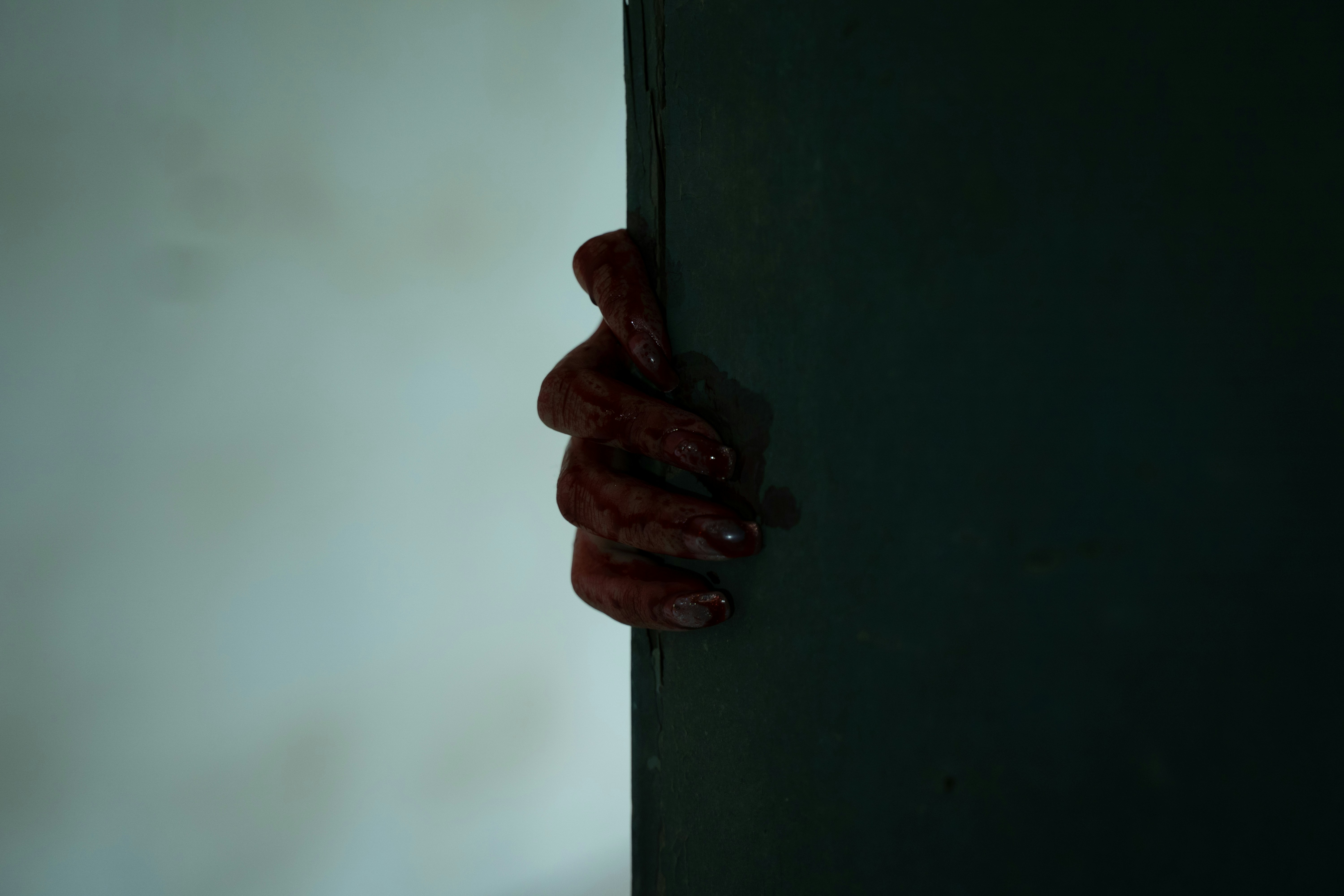
Understanding Psychological Horror
Psychological horror is a subgenre that crafts fear and dread through the exploration of the human mind and emotional states, rather than through external supernatural phenomena. Unlike traditional horror, which often relies on ghosts, monsters, or otherworldly entities to invoke terror, psychological horror delves deep into the internal struggles of its characters. This approach focuses on the complexities of human emotions, highlighting how fear can emerge from within rather than from outside sources.
Central to the essence of psychological horror is the atmosphere of dread that permeates the narrative. Through a careful construction of suspense and tension, creators invoke a sense of unease that lingers in the audience long after they have engaged with the material. This atmosphere is often crafted using various techniques, such as unreliable narration, gradual revelation of characters’ fears, and the exploration of isolation or paranoia. The goal is not only to scare but to provoke thought and reflection on the nature of fear itself.
Additionally, psychological horror emphasizes character development, often portraying protagonists who grapple with their mental health or face existential dilemmas. This focus allows audiences to empathize with the characters, understanding their fears as they grapple with reality versus illusion. By presenting characters in vulnerable states, this genre amplifies the horror of their circumstances since the threats they face are often self-imposed or a product of their psyche.
In summary, psychological horror invites audiences to confront fear’s more subtle and profound aspects, emphasizing internal struggles over external threats. By examining the human condition and evoking emotional responses, this genre creates a unique narrative experience that challenges perceptions of what horror is and can be.
The Importance of Character Development
In psychological horror, character development serves as the backbone of the narrative, allowing readers to engage deeply with the story. Rather than relying on supernatural elements to instill fear, it is the internal struggles and evolution of characters that create a profound sense of terror. To achieve this, authors must create complex characters whose fears, flaws, and desires resonate on a personal level with the audience.
One effective approach is to craft believable backstories that reveal the foundation of each character’s psychological makeup. This includes exploring their past experiences, traumas, and relationships that shaped their perspectives. By doing so, readers can begin to understand the motivations and actions of the characters, providing a realistic context that heightens the sense of horror. For example, a character haunted by a childhood trauma may exhibit symptoms of anxiety or paranoia, creating a relatable yet disturbing experience that fuels the tension.
Distinct personalities also play a crucial role in character development within psychological horror. Each character’s individual traits, quirks, and emotional responses contribute to the overarching theme of fear. Varied reactions to stress and trauma can lead to compelling dynamics between characters, adding layers to the narrative. These dynamics can further enhance the psychological horror element, as the reader witnesses how fear can manifest differently in each individual.
Emotional arcs are essential in showcasing character development throughout the storyline. As characters confront their fears, grapple with existential questions, and evolve in response to the horror they face, their journeys will resonate more deeply with the audience. Consequently, the horror emanates from within these characters, illustrating a fundamental truth—that the most visceral horrors often arise not from external threats, but from the depths of the human psyche.
Building Tension Through Realism
In the realm of psychological horror, the absence of supernatural elements invites writers to delve deeper into the intricacies of the human psyche. By focusing on realism, authors can create tension that resonates with readers on a profound level, provoking anxieties rooted in everyday life. The key to achieving this lies in the development of relatable settings and scenarios that mirror real-life fears and experiences.
One practical approach to writing immersive scenes is to draw from personal experiences or common societal issues. Consider integrating elements such as financial instability, familial conflict, or the fear of isolation. These themes evoke a collective anxiety that most readers can identify with, creating an immediate emotional connection. The result is a narrative landscape where the horrors are not only imagined but echo the reader’s own fears.
In addition to situational realism, employing tangible details can further heighten the sense of dread. Describe settings meticulously, focusing on sensory details that provoke discomfort or unease. For example, a dimly lit room filled with abandoned toys can ignite feelings of nostalgia blended with eeriness. Such imagery draws the reader into the scene, making the experience visceral and haunting.
Another effective technique is to manipulate pacing. Building tension gradually allows anxiety to simmer, creating an escalating sense of dread. This can be accomplished through revealing character backstories that hint at darker truths or through subtle shifts in a character’s behavior, providing a glimpse into their unraveling mental state. As readers become more invested in the characters’ journeys, the unfolding narrative takes on a more terrifying quality.
In crafting psychological horror, the power of realism cannot be overstated. By focusing on relatable fears and utilizing immersive storytelling techniques, writers can cultivate a sense of unease that lingers far beyond the pages of their narratives.
Exploring Themes of Isolation and Paranoia
Psychological horror often relies on the intricate exploration of isolation and paranoia as central themes, effectively crafting a narrative that derives tension from the inner workings of the human mind rather than supernatural interventions. Isolation, whether it is physical or emotional, serves as a fertile ground for fear to flourish. Characters experiencing loneliness often grapple with their thoughts and fears, leading to a distorted perception of reality. This disconnection from others can amplify personal demons, making the protagonist’s internal struggle both relatable and terrifying. As they confront their innermost fears in solitude, the audience is drawn into their psychological turmoil, creating a sense of empathy and dread.
Paranoia, on the other hand, can manifest as an intense mistrust of one’s own thoughts or of the motives of others. In psychological horror, characters may become increasingly suspicious of their surroundings and the people they interact with, believing that those close to them harbor sinister intentions. This descent into paranoia effectively illustrates the fragility of the mind, where the lines between reality and delusion blur. As paranoia escalates, it can lead to irrational behavior, reinforcing feelings of isolation as the character distances themselves from potential allies. The dual themes of isolation and paranoia can intertwine to create an atmosphere steeped in tension, where the characters’ very sanity is called into question.
Additionally, the settings in which these themes unfold can further enhance the psychological impact. Often, oppressive environments—such as confined spaces, abandoned locations, or even everyday settings that feel distorted—can serve as a reflection of the characters’ mental states. The ambiance fosters a sense of dread that complements the psychological struggles faced by the characters. By understanding and articulating the implications of isolation and paranoia, writers can skillfully weave these elements into their narratives, leaving audiences captivated by the profound exploration of fear lurking within the mind.
Utilizing Unreliable Narrators
Unreliable narrators serve as a vital tool in the realm of psychological horror, enhancing the narrative by offering distorted perspectives that keep readers on edge. These narrators often possess subjective views that shape the story in a way that can lead to confusion, creating an intense atmosphere of suspense and intrigue. By employing various techniques, authors can effectively craft narratives that are both captivating and unsettling.
One common approach is to present narrators who are emotionally unstable or psychologically compromised. For instance, a character struggling with mental illness might interpret events dramatically different from the truth, leading to a disorienting experience for the reader. This technique mirrors real-life ambiguities surrounding mental health, allowing for a profound connection to themes of fear and uncertainty, as readers grapple with what is real versus imagined.
Another effective technique is to introduce a backstory that gradually reveals the narrator’s flaws. By allowing readers glimpses into their past through fragmented memories or self-deception, authors can build a complex character who becomes increasingly unreliable. An example can be seen in literary works like “The Yellow Wallpaper” by Charlotte Perkins Gilman, where the narrator’s descent into madness is conveyed through her growing obsession with the wallpaper, blurring the lines between reality and hallucination.
Additionally, narrative structure plays a significant role in establishing unreliability. Using first-person narration grants readers direct access to the narrator’s thoughts, creating an intimate yet potentially misleading perspective. When twists and inconsistencies are revealed later in the story, it generates a shocking realization for the reader, thus heightening the psychological impact of the narrative.
In conclusion, the mastery of unreliable narrators in psychological horror not only challenges the reader’s perception but also amplifies the tension and depth of the narrative. By exploring the complexities of the human mind through distorted views, authors can create a haunting experience that lingers long after the final pages are turned.
The Role of Subtlety in Horror
Subtlety is a pivotal element in crafting psychological horror, distinguishing it from more conventional forms of the genre that rely heavily on explicit violence or supernatural phenomena. Rather than showcasing overt gore, psychological horror often engages with the audience on a deeper emotional and intellectual level, leaning into the power of suggestion and implication. This approach allows viewers to fill in the blanks with their imagination, leading to a more personalized and therefore more impactful experience.
In many successful examples of psychological horror, the fear is not derived from what is seen but from what is left unseen. This technique utilizes ambiguity to promote uncertainty, fostering an atmosphere of dread. For instance, a character may encounter unsettling noises in their home, but the audience remains unaware of the source, creating a tension that is palpably felt without the need for graphic representation. This ambiguity compels the viewer to engage more actively with the narrative, spurring their imagination to conjure potential horrors.
Moreover, the subtlety involved in these narratives encourages a gradual build-up of tension, which can be far more unsettling than sudden shocks. For example, small, seemingly innocuous events can escalate into a deeply alarming experience when woven into a cohesive story. The human mind is often more adept at producing fear based on speculation than on visual stimuli, which explains the longstanding efficacy of psychological horror narratives that prioritize subtlety over sensationalism.
As a result, employing subtlety in storytelling enhances the sense of realism while simultaneously inviting the audience to reflect on their own fears and anxieties. This technique transforms ordinary scenarios into haunting experiences simply through suggestion, thereby exemplifying the powerful impact of subtlety in the realm of psychological horror.
Incorporating Psychological Theory
To craft psychological horror effectively, a thorough understanding of psychological theories is vital. Particularly relevant are the fear response mechanisms, which describe how individuals react to perceived threats. When integrating these theories into writing, authors can evoke authentic fear by tapping into the primal instincts of their audience. Notably, the fight-or-flight response is a key component in this aspect. Through well-crafted scenarios that provoke anxiety, readers are likely to experience heightened tension, making them feel as if they are facing peril themselves.
Moreover, the concept of the uncanny plays a significant role in psychological horror. The uncanny refers to the unsettling sensation derived from familiar objects or situations that are rendered strange or abnormal. This notion is rooted in Freud’s analysis, where he describes the uncanny as something that triggers both recognition and dread. By using elements of the uncanny, writers can disturb the complacency of their readers, leading them to experience a profound sense of unease. This effect can be amplified by creating scenarios where the familiar becomes foreign, thus allowing the psychological horror to resonate on a deeper level.
Furthermore, understanding the psychological aspects of fear can enrich character development. Characters who exhibit paranoia, guilt, or existential dread can serve as conduits for exploring the darker facets of the human psyche. By crafting relatable characters burdened by their fears, writers can engage readers more profoundly, encouraging them to confront their own anxieties through the narrative lens. Consequently, incorporating these psychological theories not only enhances the depth of the horror but also fosters a more immersive experience, as readers wrestle with their own feelings of discomfort and terror.
Creating an Atmosphere of Dread
In psychological horror, the atmosphere is pivotal, serving as the foundation upon which fear and dread are built. To craft an unsettling environment, writers must engage the senses through meticulously detailed descriptions. The choice of setting is crucial; isolated locations such as derelict houses, fog-shrouded forests, or claustrophobic urban environments can significantly enhance feelings of unease. By evoking vivid imagery, readers can almost feel the coldness of the air or taste the bitterness of decay. Such sensory details anchor the experience, making it hauntingly immersive.
Sound also plays a fundamental role in establishing dread. The creaking floorboards, distant whispers, or unsettling silence can create a cacophony of anxiety that lingers in the reader’s mind. Crafting specific soundscapes allows the imagination to fill in the gaps, amplifying the tension. For instance, the subtle sound of breathing might indicate an unseen presence, while sudden silences might suggest the calm before an impending storm. These auditory elements can create a rhythm that builds suspense, leaving readers on edge and anticipating what might occur next.
Pacing is another critical component in fostering an atmosphere of dread. By strategically varying the speed of the narrative, writers can control the emotional engagement of their audience. Gradually increasing the unsettling elements while allowing for moments of reflective pause can create a mounting sense of tension. The deliberate build-up helps to sustain the reader’s anxiety, culminating in a crescendo of fear that feels both potent and credible. Thus, the art of pacing, when combined with sensory details, ultimately weaves an intricate fabric of dread that encapsulates the essence of psychological horror.
Analyzing Successful Psychological Horror Works
Psychological horror is a genre that skillfully delves into the fears and anxieties inherent in the human experience, stripping away supernatural elements to expose our vulnerabilities. Noteworthy works in this realm, both in literature and film, present distinct techniques that evoke tension, fear, and discomfort among audiences.
One exemplary literary work is Shirley Jackson’s The Haunting of Hill House. While it may initially seem to tread on supernatural territory, the true horror arises from the characters’ psychological disintegration and their emotional traumas. Through subtle depictions of paranoia and isolation, Jackson creates an environment filled with uncertainty. This evokes dread in the reader by keeping them guessing about the real versus the imagined, deftly illustrating that the true fear can often be found within oneself.
In film, Black Swan, directed by Darren Aronofsky, stands out as a prime example of psychological horror without any supernatural elements. The film follows Nina, a ballerina striving for perfection, whose obsession leads to a profound mental unraveling. Arguably, the use of body horror, coupled with the oppressive atmosphere of competition, highlights the psychological toll of ambition. The gradual descent into madness is portrayed through stark visuals and a haunting score, which amplifies the viewer’s anxiety and unease.
Similarly, Hereditary, while often tagged as a horror film, operates on psychological principles that immerse viewers in a realm of grief and familial dysfunction. The story’s exploration of how trauma impacts mental health demonstrates the vivid interplay between personal and inherited terror. The unsettling imagery and slow-burn pacing intensify the psychological dread, exemplifying how a film can invoke fear through intimate human experiences rather than ghosts or otherworldly beings.
In these examples, the authors and filmmakers utilize techniques such as strong character development, an oppressive atmosphere, and the exploration of deep-seated fears to craft compelling psychological horror narratives. By drawing on relatable emotional struggles and societal pressures, they ensure that the terror resonates with audiences long after the final credits roll. These elements serve as practical lessons for aspiring writers looking to create their own effective psychological horror works.