
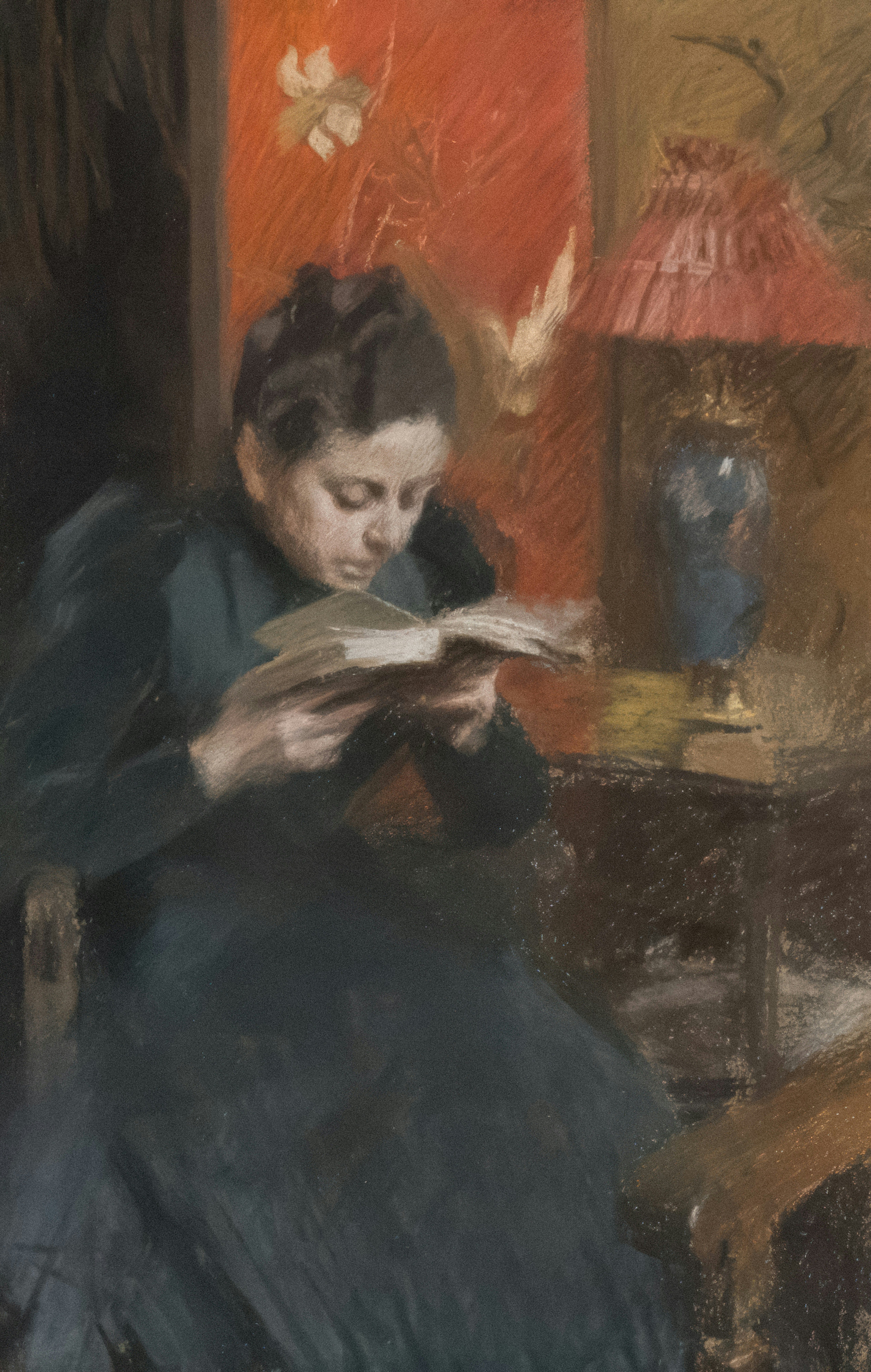
Introduction to Dark Academia and Donna Tartt
Dark academia is a literary and aesthetic movement that celebrates the pursuit of knowledge, often intertwining it with themes of beauty, mortality, and existential contemplation. It draws inspiration from classical literature, philosophy, and the arts, creating a rich tapestry that resonates with those who appreciate the intellectual and the esoteric. The movement is characterized by a specific aesthetic that includes vintage attire, classical architecture, and an overall ambiance steeped in nostalgia for the past. At the core of dark academia is an obsession with learning, conveying a profound reverence for literature and the humanities.
Among the writers who have notably shaped the dark academia genre, Donna Tartt stands out as a significant figure. With her novels, Tartt delves into the complexities of the human psyche, often examining the darker sides of ambition, friendship, and betrayal. Her most acclaimed work, “The Secret History,” embodies the quintessential elements of dark academia, portraying a group of elite college students whose quest for intellectual and aesthetic fulfillment spirals into moral decadence and tragedy. Through her protagonists, Tartt illustrates the fine line between obsession and passion, revealing both the allure and the peril inherent in the pursuit of knowledge.
In terms of literary influence, Tartt employs a rich narrative style, evocative prose, and intricate character development that not only capture the essence of dark academia but also establish her as a pivotal voice within this cultural phenomenon. She reflects the tension between the beauty of learning and the inherent darkness that surrounds it, inviting readers to confront their own relationships with knowledge and existence. As such, Donna Tartt continues to be a defining presence in the exploration of dark academia, captivating a generation that seeks to uncover the complexities of life through the lens of literature.
The Literary Landscape of Dark Academia
The genre of dark academia encapsulates a fusion of intellectual depth, romanticism, and a keen exploration of mortality and existentialism. Its roots can be traced back to the Romantic movement in the late 18th and early 19th centuries, where writers such as Lord Byron and John Keats infused their works with a fascination for beauty interwoven with themes of despair, passion, and introspection. This literary style has evolved over the years and found its resurgence in contemporary literature, where it has become synonymous with an exploration of elite academic settings, often entangled with themes of secrecy and moral ambiguity.
One of the foundational aspects of dark academia is its emphasis on academic pursuits, aestheticism, and a certain nostalgia for a bygone era. The halls of ivy-covered universities serve as a backdrop for many narratives, which delve into the lives of characters who frequently oscillate between brilliance and tragedy. These students are often depicted as engaged in philosophical debates, grappling with personal demons, and navigating friendships that can be both deeply intimate and intensely competitive.
Key figures in the dark academia genre, other than Donna Tartt, include authors such as Osyris Milan, whose novel “The Secret History” presents an intricate tapestry of loyalty, betrayal, and intellectual ambition within an elite academic circle. Similarly, works like “If We Were Villains” by M.L. Rio echo these themes by exploring theatrical artistry and the darker side of competition among aspiring actors. As we analyze these contributions, it becomes evident that dark academia not only serves as a literary exploration of intellectual rigor and complexity but also critiques the pressures and moral dilemmas intrinsic to the pursuit of knowledge within constrained environments.
The Goldfinch: Tartt’s Masterpiece
Donna Tartt’s Pulitzer Prize-winning novel, The Goldfinch, serves as a cornerstone of modern literature, encapsulating the essence of dark academia through its exploration of loss, grief, and the search for identity. At its heart lies the story of Theo Decker, a young boy who survives a tragic accident that changes the course of his life. This event not only shapes Theo’s journey but also sets the foundation for a narrative rich with deep emotional undertones and philosophical reflections.
The central themes of The Goldfinch intertwine seamlessly with dark academia’s focus on intellectualism and the often chaotic intersection of beauty and despair. Throughout the novel, the art world emerges as a pivotal backdrop, highlighting the obsession with beauty and the lengths to which individuals will go to pursue it. The titular painting, The Goldfinch, symbolizes both fragility and resilience, serving as a haunting reminder of lost innocence and the weight of personal responsibility.
In terms of character development, Tartt presents a complex protagonist in Theo, whose struggles resonate with readers on multiple levels. Theo’s relationships with other characters, particularly with the enigmatic Pippa and the troubled Boris, illustrate the multifaceted nature of human connections, beneath which lies a constant battle against the shadows of one’s past. The emotional depth of these characters contributes to the novel’s gripping narrative, drawing readers into a world where beauty and tragedy coexist.
The intricate plot of The Goldfinch moves fluidly between various settings, from the bustling streets of New York City to the quiet confusion of a small town in Las Vegas. This juxtaposition not only enriches the story but also reinforces the themes of displacement and longing, integral to dark academia. Tartt’s masterful prose allows readers to vividly experience Theo’s tumultuous journey, making The Goldfinch a captivating exploration of the human psyche.
The Secret History: A Closer Look
Donna Tartt’s debut novel, The Secret History, published in 1992, serves as a cornerstone of the dark academia genre, intertwining the themes of intellectualism with moral complexity. The narrative unfolds through the eyes of Richard Papen, a transfer student at an elite liberal arts college in Vermont. He becomes captivated by a small clique of eccentric and privileged students centered around their enigmatic professor, Julian Morrow. This introduction sets the stage for a richly layered exploration of academic obsession and the consequences of aesthetic values placed above ethical considerations.
The characters within Tartt’s novel are meticulously crafted, each representing a different facet of the intellectual elite. From the hauntingly beautiful Camilla to the charismatic leader Henry, these figures encapsulate the allure and peril of the pursuit of knowledge. Their friendships are steeped in references to classical literature and philosophy—an embodiment of the dark academia ethos which romanticizes the isolation and intensity of scholarly life. This intellectualism, however, does not come without a cost, as the narrative reveals the devastating impact of their choices and the moral ambiguity that underpins their actions.
Tartt’s pervasive themes challenge readers to ponder the nature of beauty, truth, and the darkness that often accompanies a life devoted to intellectual pursuit. The novel’s intricate prose and vivid imagery further contribute to its eerie yet mesmerizing atmosphere. By blending aesthetic enjoyment with a sinister undercurrent, The Secret History profoundly influences the darker elements of the dark academia motif, establishing a bridge between intellectual rigor and personal doom.
The significance of this novel in contemporary literature cannot be understated. It has inspired a broader resurgence of interest in dark academia, encouraging a generation of readers and writers to engage with themes of elitism, morality, and the pursuit of beauty within both literature and life.
The Role of Setting in Tartt’s Works
In examining the novels of Donna Tartt, setting emerges as a critical element that not only grounds the narrative but also accentuates the themes emblematic of dark academia. Tartt’s choice of locations often reflects the psychological state of her characters, weaving a tapestry of atmosphere that engulfs readers in a world rich with intellectual pursuits. For instance, in her celebrated novel, The Secret History, the backdrop of an elite New England college serves as a serpentining labyrinth of privilege, ambition, and moral ambiguity.
The cloistered environment of Hampden College, with its Gothic architecture and secluded space, sets the stage for a compact exploration of intellectualism and elitism. The very setting embodies a duality; it inspires profound academic inquiry while simultaneously facilitating dark undertones and the potential for tragedy. This juxtaposition is a hallmark of dark academia, drawing readers into a realm where knowledge and danger coexist harmoniously.
Further, Tartt’s use of historical settings amplifies the thematic weight of her narratives. In The Goldfinch, the art museum where the protagonist experiences a pivotal moment is not merely a backdrop but a character in its own right. The museum encapsulates both beauty and trauma, becoming an evocative learning space laden with history. It enhances the emotional resonance of the protagonist’s journey, as the reflections on art and loss deepen the reader’s engagement with the text.
Moreover, Tartt’s settings often evoke an inherent sense of nostalgia and yearning, crucial elements that resonate with the dark academia aesthetic. The rich descriptions and atmospheric details encourage a romanticized view of academia and the pursuit of knowledge, underscoring the inherent tension between enlightenment and despair. Such environments compel characters to grapple with their ambitions and moral choices, providing a fertile ground for the exploration of existential themes, reflecting the intrinsic allure of Tartt’s literary worlds.
Character Archetypes in Dark Academia
Dark academia is a subculture deeply entrenched in intellectualism, exploration of the arts, and an appreciation for knowledge. Within this rich tapestry, several character archetypes have emerged, each contributing to the genre’s appeal and resonance with readers. Among these archetypes, the mentor, the outsider, and the tragic hero stand out as prevalent figures that encapsulate the ethos of dark academia.
The mentor, often a learned and enigmatic figure, plays a crucial role in shaping the intellectual journey of the protagonists. This character, frequently depicted as a professor or a significant academic figure, embodies wisdom and the pursuit of knowledge. Their complex relationships with students serve to highlight the seductive power of education and the moral ambiguities that accompany it. Such dynamics not only enrich the narrative but also invite readers to ponder the implications of mentorship in their own lives.
The outsider is another compelling archetype that resonates strongly within the dark academia genre. Often characterized by their uniqueness or unconventional perspective, outsiders grapple with feelings of alienation in academic environments laden with elitism. This theme of isolation is amplified by the quest for belonging and acceptance among peers. Readers often identify with the outsider’s struggles, reflecting their real-world experiences of seeking validation in intellectual spaces.
Lastly, the tragic hero epitomizes the inherent tension within dark academia. This character typically possesses extraordinary intellect or talent, yet their flaws lead to catastrophic outcomes. The story arc of a tragic hero serves as a poignant reminder of the fine line between genius and madness, reflecting the darker aspects of personal ambition and the societal pressures associated with scholarly pursuits. Through these archetypes, Tartt’s works illuminate the complexities of human nature, enhancing the overall allure of dark academia as a literary genre.
Themes of Morality and Existentialism
Donna Tartt’s narratives are deeply imbued with themes of morality and existentialism, reflecting the intricate psychological landscapes of her characters. In her renowned works, particularly ‘The Secret History,’ Tartt explores the moral dilemmas faced by a group of elite students engaged in academia’s darker corners. These dilemmas prompt profound questions regarding the nature of good and evil, triggering guilt among the characters as they confront the consequences of their actions. The struggle between these moral dichotomies not only enriches character development but also compels readers to contemplate their own ethical boundaries.
Existential anxiety similarly permeates Tartt’s narratives, inviting readers to ponder the fragility of human existence. Characters like Richard Papen grapple with their identities against the backdrop of intense academic pressures, highlighting the existential crises many face during formative years. This conflict between individual desires and societal expectations is emblematic of the dark academia genre, where students are often depicted as both intellectual seekers and restless souls. As they navigate their lives, they confront the futility of existence and the search for meaning, a theme that resonates deeply within contemporary discussions on identity and purpose.
The intertwining of morality and existentialism in Tartt’s works invites readers into a complex psychological dialogue. Her meticulously crafted characters serve as mirrors, reflecting the darker aspects of human nature and the ethical ambiguities we encounter. Engaging with these themes not only enhances the allure of dark academia but also fosters a deeper emotional connection with the narrative. Through moral conflict and existential questioning, Tartt immerses her audience in a rich tapestry of thought-provoking ideas that challenge perceptions and evoke introspection.
Tartt’s Writing Style and Its Impact
Donna Tartt is renowned for her unique writing style, characterized by richly descriptive language, intricate symbolism, and a complex narrative structure. Her prose creates a mesmerizing atmosphere that aligns perfectly with the themes associated with dark academia. The allure of her storytelling lies in the way she meticulously crafts her descriptions, immersing readers in the world she creates.
Tartt’s language is often poetic, exhibiting a lyrical quality that enhances the mood of her narratives. For instance, her use of vivid imagery brings settings to life, transporting readers into the opulent halls of academia, cloaked in mystery and beauty. Each word is selected carefully, contributing not only to character development but also to the overarching themes of knowledge, guilt, and the pursuit of art. Her attention to detail invites readers to reflect on the darker elements of intellectualism, reinforcing the essence of dark academia.
Moreover, symbolism plays a pivotal role in Tartt’s work. Objects and motifs often gain significance beyond their surface meanings, serving as conduits for deeper exploration of her characters’ psyches. For example, in ‘The Secret History’, the Greek myths invoked throughout the narrative symbolize the timeless struggle between beauty and destruction. Such devices deepen readers’ engagement, prompting them to ponder the implications of knowledge versus ignorance.
The narrative structure of Tartt’s novels also merits attention, as it often employs a non-linear approach that mirrors the complexity of the themes she explores. By weaving past and present together, she creates suspense and intrigue, drawing the reader further into the labyrinth of her characters’ lives. This intricate storytelling captivates not only through its plot but also through the philosophical questions it raises about morality, consequence, and the pursuit of truth within the realm of dark academia.
The Enduring Appeal of Dark Academia
Dark academia has captured the imaginations of readers across various demographics, compelling them with its intricate tapestry of intellectualism, nostalgia, and romanticized visions of academic life. At its core, dark academia delves into the aesthetic and emotional landscapes of scholarly pursuits, significantly emphasizing existential inquiry, moral ambiguity, and a longing for knowledge. This genre presents academia not merely as a place of learning but as a realm of profound social and intellectual exploration.
The allure of dark academia is its intriguing juxtaposition of beauty and tragedy. Readers are drawn to narratives that showcase the twilight of youth, characterized by both the exuberance of discovery and the shadows of despair. Donna Tartt, a pivotal figure in this literary space, encapsulates this compelling dynamic in her works. Her novels often explore the lives of students who grapple with ethical dilemmas, yearning for meaning amidst chaos, thus creating relatable figures for readers who have felt similar pressures.
Nostalgia plays a crucial role in the continued popularity of dark academia. The notion of the scholarly life reverberates with a yearning for a simpler time, where intellectual pursuits were revered and learning was intertwined with the grandeur of classic literature, art, and philosophy. This sentimental connection to the past fosters an atmosphere of timelessness in Tartt’s narratives, encouraging readers to romanticize their own educational experiences.