
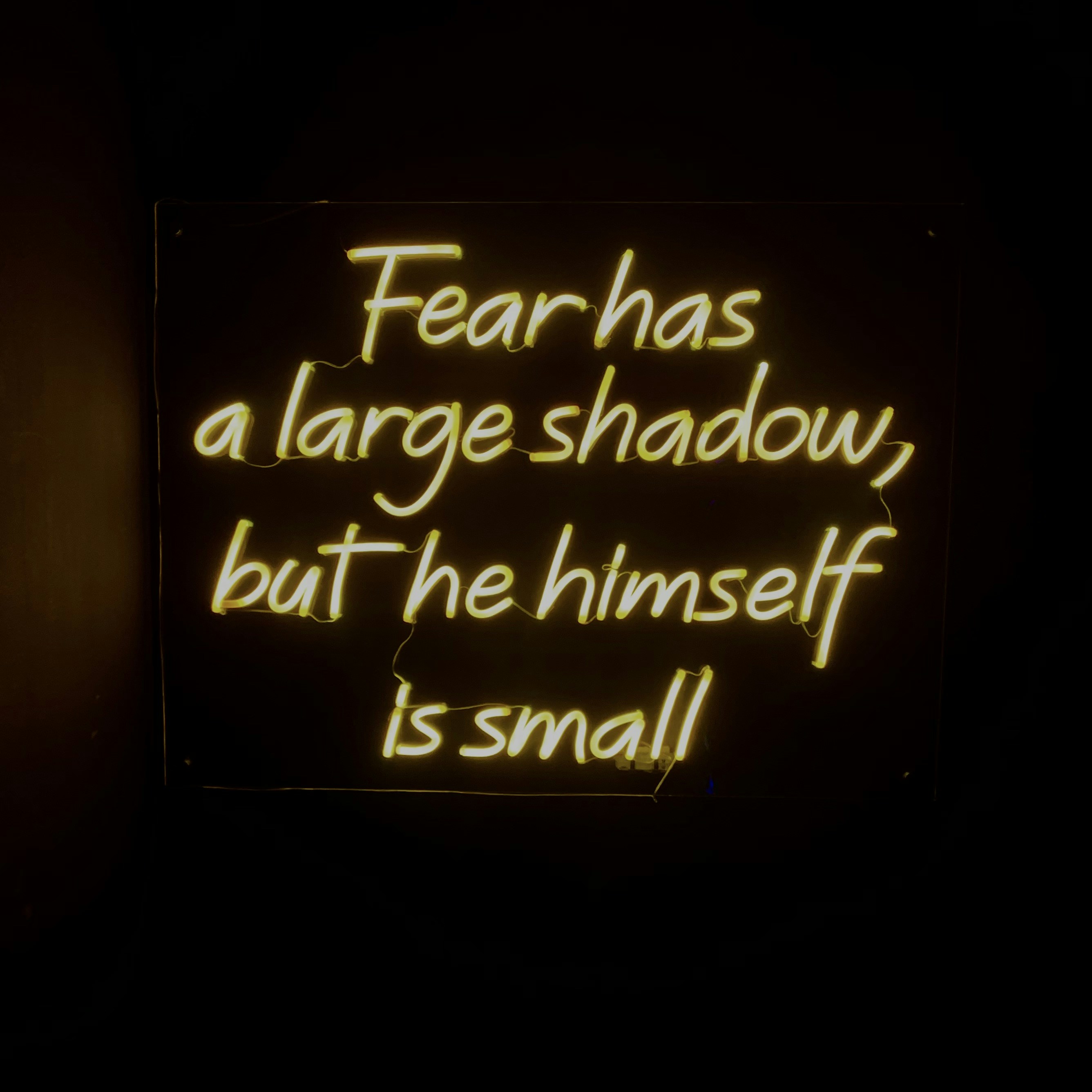
Introduction to Josh Malerman
Josh Malerman is an American author, best known for his captivating and unsettling narratives that often delve into the realm of psychological horror. Born in 1975 in Michigan, Malerman’s passion for storytelling emerged at a young age. He began composing short stories and was heavily influenced by classic horror literature, as well as films that explored themes of suspense and dread. This early exposure fostered his affinity for weaving intricate tales that not only engage the reader but also leave them contemplating deeper layers of fear and uncertainty.
Malerman’s literary career took off with the publication of his debut novel, “Bird Box,” in 2014. The novel garnered widespread acclaim and has since become a modern classic of the horror genre. Set in a post-apocalyptic world where unseen entities drive people to madness, “Bird Box” exemplifies Malerman’s unique approach to writing fear without explicitly revealing the monster. This technique not only keeps readers on edge but also invites them to construct their own interpretations of terror, making it a multifaceted reading experience.
Throughout his career, Malerman has continued to explore psychological themes in his subsequent works, including “Malorie” and “The Cabin at the End of the World.” His narratives often emphasize the complexities of human behavior under duress, further distinguishing his voice in the literary landscape. Malerman’s ability to evoke fear without overtly detailing the source of that fear is a hallmark of his writing style, showcasing his skill in building suspense through atmosphere and character development instead of traditional horror tropes. As he rises in the literary world, readers can anticipate more inventive and thought-provoking contributions from this talented author.
The Art of Implicit Horror
Josh Malerman has emerged as a unique voice in the realm of horror literature, particularly known for his innovative approach to fear. One of the most intriguing aspects of Malerman’s writing is his reliance on implicit horror rather than graphic depictions of terror. This style not only sets him apart but also cultivates a sense of unease that lingers with readers long after they close the book.
Central to Malerman’s method is the concept of suggestion. Instead of vividly illustrating horrifying scenes, he often opts to leave much of the terror to the imagination. This induces a gradual build-up of tension and suspense, allowing the reader’s mind to fill in the blanks with its own interpretations of fear. For instance, in his acclaimed novel “Bird Box,” Malerman utilizes an unseen threat that serves as the catalyst for the characters’ dread. The absence of auditory or visual cues regarding the monster amplifies the sense of peril, engaging the reader’s mind in a much deeper way than traditional horror might.
Moreover, the atmospheres Malerman creates are imbued with a pervasive sense of isolation and desperation. The settings often act as characters in their own right, mirroring the internal struggles of the protagonists. This clever alignment engages the reader in a visceral experience, emphasizing the emotional weight of fear rather than merely showing horrific acts. By focusing on characters’ psychological states and their reactions, Malerman effectively crafts a narrative where the true horror lies not in what they confront, but in what remains unseen and unspoken.
In this manner, Malerman exemplifies the effectiveness of subtlety in horror literature. His style proves that sometimes, the fear of the unknown can resonate more profoundly than the monster itself, creating an impactful reading experience through atmospheres steeped in dread and anxiety.
Key Works and Themes
Josh Malerman has garnered significant acclaim for his unique approach to horror fiction. His breakthrough novel, Bird Box, published in 2014, masterfully illustrates his ability to invoke terror without revealing the source of that fear. The narrative centers around a post-apocalyptic scenario in which an unseen entity drives people to madness upon sight. This notion of not knowing what lies outside resonates deeply with readers, emphasizing themes of isolation and the unknown. The struggles of the protagonist, Malorie, highlight the human psyche’s vulnerability when faced with uncertainty.
Following the success of his debut, Malerman released Malorie, which returns to the same universe as Bird Box and continues to explore its intricate themes. The sequel delves into the complex dynamics of survival and motherhood under extreme stress, probing into the psychological ramifications of living in a world filled with unseen dangers. Here, Malerman further analyzes the impact of isolation not just physically but emotionally, demonstrating how fear can complicate human relationships.
In addition to these central works, Malerman’s short stories and other novels often explore the interplay between fear and the human condition. He frequently employs common threads such as the fragility of sanity, the experience of being trapped—both literally and metaphorically—and the concept of perception shaping reality. By leaving much to the reader’s imagination, he invites a personal interpretation of fear, which ultimately shapes each individual’s emotional response to the characters and their predicaments.
Psychological Depth in His Narratives
Josh Malerman’s narratives are distinguished by a profound psychological depth that enhances the reader’s experience. By intricately weaving mental health elements into the fabric of his stories, Malerman shapes characters that are not merely vessels of fear but complex individuals grappling with their emotional struggles. This profound exploration of the human psyche allows readers to resonate with characters on a deeper level, establishing a connection that transcends simple horror tropes.
The portrayal of psychological trauma in Malerman’s work serves to amplify the horror experienced not just on a physical level but also on an emotional one. Characters often navigate a labyrinth of fears rooted in their past experiences and mental health conditions. For instance, the fear of loss, abandonment, or the unknown plays a pivotal role in shaping their decisions and actions throughout the narrative. This layered approach not only deepens the readers’ investment in these characters but also offers a more relatable and nuanced exploration of fear.
Moreover, Malerman’s use of unreliable narrators and fragmented storytelling mirrors the chaotic nature of mental struggles, inviting readers to piece together the narrative while grappling with the same uncertainties as the protagonists. The tension arises from the psychological landscapes he crafts, leading to moments of dread that are often more impactful than a direct depiction of horror. By focusing on the internal turmoil of his characters, Malerman effectively showcases the essence of fear as a universal experience, making his work resonate with a wide audience.
In essence, the psychological depth present in Malerman’s narratives transforms his stories into explorations of the human condition, where fear is not simply an external force, but a reflection of inner battles. This deliberate choice elevates his writing, engaging readers in multifaceted ways and prompting them to confront their own fears, thereby creating an immersive literary experience.
The Role of the Unknown Monster
In the realm of horror literature, the concept of the unseen monster plays a pivotal role in shaping the narrative and engaging the reader’s imagination. Josh Malerman’s works, particularly in his renowned novel “Bird Box,” exemplify this approach, highlighting the terror that arises from the fear of the unknown. Rather than relying on physical manifestations of horror, Malerman effectively employs the unseen forces that haunt his characters, prompting readers to grapple with their own fears.
The unknown monster in Malerman’s work symbolizes various psychological fears, ranging from the fear of loss and abandonment to the universal dread of death. By withholding explicit descriptions of the monstrous entity, Malerman pushes readers to confront their own interpretations of what is lurking just out of sight. This technique not only stirs a deeper emotional response but also allows for a broader spectrum of anxiety to emerge. In many cases, a fear rooted in the imagination can be more potent and sinister than any visible antagonist.
Comparing Malerman’s technique to classic horror literature reveals a pattern. Authors like H.P. Lovecraft have long utilized the concept of the unknown, instilling a sense of cosmic horror through the mention of unspeakable beings. Lovecraft’s work invites readers to ponder immense dread without ever fully articulating the threat. Similarly, Malerman cultivates an atmosphere of suspense through the absence of clarity regarding the monster’s identity. This method of storytelling fosters an unsettling ambiance, urging readers to anticipate danger rather than confront it directly.
In conclusion, the role of the unknown monster is crucial in Malerman’s narrative landscape. By skillfully evoking fears that lie beyond the visible realm, he crafts a profound impact, proving that sometimes, much like in life, the most harrowing threats are those we cannot see.
Writing Techniques and Strategies
Josh Malerman effectively crafts a sense of fear and unease in his narratives by employing a series of carefully considered writing techniques. One of the key strategies he utilizes is pacing. By gradually building suspense through the use of minimal dialogue and detailed descriptions, Malerman creates an atmosphere of tension that captures the reader’s imagination. For instance, in his acclaimed novel “Bird Box,” the slow reveal of the terrifying unseen forces plays a pivotal role in maintaining the reader’s anxiety and curiosity.
An essential element in Malerman’s writing is the depth of his characterization. His characters are often portrayed with rich internal conflicts and vulnerabilities, which humanizes them and makes their experiences more relatable. Readers become invested in their fates, enhancing the emotional weight of the story. As these characters face their fears and confront the unknown, their psychological struggles amplify the overarching theme of dread. This technique is particularly evident in “Inspection,” where the characters’ attempts to understand their reality lead to increasingly unsettling scenarios.
The use of dialogue also plays a crucial role in Malerman’s writing. He often employs fragmented conversations that mirror the characters’ inner turmoil. This can create a sense of disorientation for both the characters and the readers, further heightening feelings of uncertainty. When characters discuss past experiences or speculate about the unseen presence that threatens them, Malerman expertly generates tension without revealing too much. Such dialogue patterns create an ongoing suspense that engages the reader, leaving them eager to uncover more. By mastering pacing, characterization, and dialogue, Malerman’s style allows him to evoke fear without the necessity of showcasing the monster, relying instead on the limits of imagination and the unsettling nature of the unknown.
Influence of Psychological Horror on Readers
Psychological horror, particularly as exemplified in Josh Malerman’s work, delves deep into the core of human fears, often eclipsing the need for graphic depictions of terror. Malerman’s narrative style constructs a haunting atmosphere that permeates the minds of readers, leaving them to grapple with their own primal fears rather than visibly confronting a monster. This approach resonates deeply with audiences, as it aligns with inherent psychological elements of fear that haunt the human psyche.
The impact of psychological horror is profound; it elicits visceral emotional responses that linger long after the pages are turned. Malerman effectively employs tension-building techniques and ambiguity, encouraging the reader to engage in their own mental projections of dread. By not revealing the source of the horror, he taps into the innate human inclination to fill gaps with imagination, which often results in a more impactful encounter with fear. This method creates a unique reading experience where the monster is not an entity but rather the manifestation of inner anxieties.
Moreover, the stories crafted by Malerman explore themes of isolation, vulnerability, and the unknown, all of which significantly amplify emotional reactions. The characters often find themselves in dire situations that evoke empathy, making the horror relatable on a personal level. This approach ensures that the fear portrayed is not simply confined to the narrative but transcends into a reflection of the reader’s own experiences and emotions. The effectiveness of psychological horror lies in its ability to resonate with readers, compelling them to reflect on their fears and insecurities, thereby creating a lasting impression.
Malerman’s Contributions to the Horror Genre
Josh Malerman has emerged as a significant voice in the horror genre, captivating readers with his unconventional approach to storytelling. His notable work, notably the acclaimed novel Bird Box, exemplifies his ability to instill terror without necessarily illustrating the monster outright. This innovative technique has not only garnered widespread acclaim but also set a new standard for contemporary horror narratives.
One of Malerman’s key contributions lies in his unique ability to elicit fear through suggestion and atmosphere rather than explicit depictions of horror. His emphasis on psychological tension rather than gore creates a more profound sense of dread, urging readers to engage their imaginations actively. This approach has inspired a new generation of horror writers to explore the limits of fear, challenging traditional norms and broadening the scope of horror literature.
Furthermore, Malerman’s storytelling often intertwines themes of isolation, humanity, and resilience, inviting readers to confront their deepest anxieties. His work resonates with a diverse audience, transcending the genre boundaries that often confine horror literature. His contributions have paved the way for unique narratives that blend horror with elements of psychological thrillers and speculative fiction, enriching the genre’s landscape.
As a result, many aspiring authors are influenced by Malerman’s innovative methods, aiming to echo his style while crafting their own distinct voices. His influence can be seen in the growing trend of horror narratives that prioritize emotional and psychological experiences over conventional fright. In essence, Josh Malerman has not only contributed to the horror genre but has fundamentally reshaped the way fear can be articulated within literature, encouraging creativity and boldness among writers.
Conclusion: The Legacy of Josh Malerman
Josh Malerman’s impact on the literary field, particularly in the horror genre, is profound and multifaceted. His ability to craft narratives that evoke fear without directly depicting it has set a new standard for contemporary horror writing. In works such as “Bird Box,” Malerman employs the concept of unseen terror, compelling readers to confront their deepest anxieties and uncertainties without relying on conventional monster tropes. This unique approach not only broadens the parameters of what constitutes horror but also emphasizes emotional and psychological responses over visceral imagery.
The legacy of Malerman lies in his exploration of the human condition through fear and suspense, moving beyond traditional narratives to probe the vulnerabilities of the human psyche. By leaving the monsters to the imagination, he creates a space for readers to engage with their own fears, making each reading experience uniquely personal and introspective. This is a testament to his skillful storytelling, where the unseen becomes much more terrifying than the seen, fostering a deep sense of dread and anticipation.
Moreover, Malerman’s themes often resonate with larger societal issues, reflecting a world filled with uncertainty and dread that mirrors contemporary anxieties. His works have encouraged a shift in the genre, inspiring other writers to explore psychological horror in more nuanced ways. Malerman challenges the notion that horror must be explicit; he demonstrates that the essence of fear can be captured through suggestion and atmosphere, thereby enriching the horror narrative landscape.
In conclusion, Josh Malerman’s contribution to horror literature is indispensable. He invites us to consider the nature of fear itself, advocating for an understanding that sometimes, what we cannot see is far scarier than what we can. This legacy of suggesting rather than showing continues to influence new generations of horror writers, ensuring that the art of invoking fear remains a powerful tool in storytelling.