
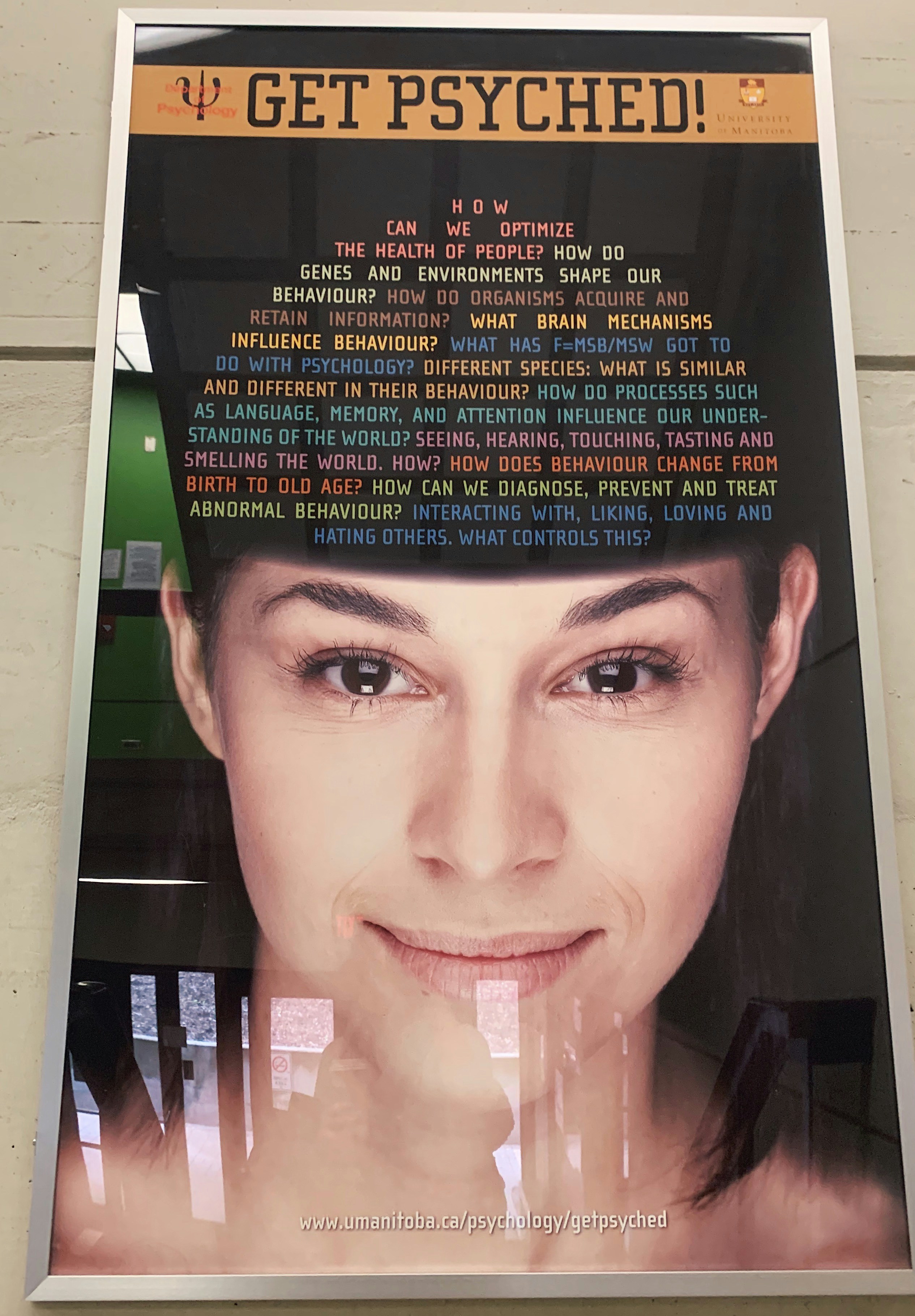
Introduction to Psychological Manipulation
Psychological manipulation is a form of social influence that aims to change the behavior or perception of others through deceptive or underhanded tactics. This subtle coercion can manifest in various contexts, especially within interpersonal relationships, making it a complex and often insidious phenomenon. Understanding psychological manipulation requires exploring its different forms, motivations, and potential ramifications on individuals involved.
One prevalent type of psychological manipulation is gaslighting, where the manipulator seeks to make the victim question their reality or sanity. This tactic can lead to significant emotional distress and confusion, as the victim often feels powerless and isolated. In addition, emotional blackmail serves as another form of manipulation, wherein a person might exploit a loved one’s feelings to achieve compliance or control. The use of guilt, fear, or obligation can compel individuals to act against their better judgment.
Manipulation can also take the shape of charm or charisma, where an individual uses flattery or compliments to gain trust and influence others. This strategy can be particularly effective in establishing a favorable impression, while simultaneously holding ulterior motives. Another critical aspect of manipulation is the exploitation of vulnerabilities, which involves taking advantage of a person’s insecurities or fears to gain leverage or control over them.
In the context of ‘Gone Girl’, these tactics of psychological manipulation are prominently displayed through interactions between characters. The portrayal of ambition, deceit, and emotional turmoil sheds light on the dynamics of power within relationships. By delving into the psychology of manipulation, one can better understand the complex motivations and consequences that characterize these behaviors, both in fiction and reality. The exploration of these themes is essential not only for analyzing the narrative of ‘Gone Girl’ but also for recognizing similar patterns in everyday life.
Character Analysis: Amy Dunne
Amy Dunne, the central figure in Gillian Flynn’s novel Gone Girl, presents a complex psychological profile that is fundamental to understanding the narrative’s themes of manipulation and deceit. Her character is shaped by a multifaceted background, marked by the high expectations imposed by her parents, who instilled in her a sense of performance and perfection. This upbringing deeply influences her motivation and the strategies she employs throughout the story.
At her core, Amy embodies traits of both a narcissist and a sociopath, showcasing an extraordinary capacity for manipulation. She demonstrates an acute awareness of human psychology, allowing her to exploit the weaknesses and emotions of those around her. Her grand deception, manifested in her meticulously planned disappearance, is a prime example of her manipulative prowess. Amy’s strategies include detailed fabrications that elicit sympathy and outrage, effectively turning public sentiment against her husband, Nick Dunne. This manipulation illustrates her desire for control, which stems from a profound feeling of being victimized in her marriage.
A significant aspect of Amy’s character is her intelligence and resourcefulness. She is not merely a passive victim; rather, she actively engages in orchestrating events to reclaim agency and assert her identity. Her ability to construct and perform different personas—most notably the “Amazing Amy” character—underscores her understanding of narrative control and social dynamics. This duality not only reflects her internal struggle but also reinforces the overarching themes of perception versus reality within the novel.
Ultimately, Amy Dunne’s character serves as a profound study of manipulation, fuelled by her psychological nuances and life experiences. Her actions invite readers to explore the darker aspects of human nature and the lengths to which one might go to reclaim control over their narrative. Through her complexity, Flynn intricately weaves a tale that challenges conventional perceptions of morality and justice.
Character Analysis: Nick Dunne
Nick Dunne emerges as a complex character whose vulnerabilities are intricately woven into the narrative of Gone Girl. From the outset, it is evident that Nick is not merely a passive participant in his own story; rather, he is a person grappling with his identity and the consequences of his actions. The pressures of an impending divorce combined with the media frenzy surrounding his wife Amy’s disappearance place him in the crosshairs of public scrutiny and suspicion.
Nick’s character is marked by contradictions, oscillating between helplessness and a degree of manipulation that reveals his darker inclinations. His interactions with Amy are pivotal, showcasing a dynamic that is rife with emotional undercurrents. As Amy orchestrates her elaborate plan, Nick becomes an unwitting pawn in her game, exemplifying how individuals can be drawn into manipulative relationships that exploit their vulnerabilities. He grapples with feelings of inadequacy, which are exploited by Amy, leading to his gradual descent into a role that fluctuates between the victim and the manipulator.
Moreover, Nick’s journey highlights a pervasive theme of deception—not solely from Amy but also from himself. The façade he presents to the world is at odds with the turmoil within, showcasing a psychological battle that resonates with readers. His attempts to control his narrative, particularly within the media landscape, further complicate his character. It is within these layers of manipulation and self-deceit that Nick Dunne’s true nature begins to reveal itself. Ultimately, his vulnerabilities serve both as a weapon against him and as a reflection of his own manipulative tendencies, creating a multifaceted character that embodies the intricate dance of trust and betrayal.
The Dynamics of Change in Relationships
The exploration of manipulation within a relationship, as illustrated in Gillian Flynn’s “Gone Girl,” provides a profound understanding of how trust and power dynamics can shift dramatically between partners. In the story, the marriage of Amy and Nick Dunne serves as a case study for the psychological intricacies of manipulation. Initially, their relationship appears to be grounded in love and mutual understanding. However, as manipulation unfolds, cracks in this facade begin to show, leading to a deeper analysis of trust and betrayal.
One of the central themes in “Gone Girl” is the transformation of trust into suspicion. Nick’s realization that Amy has meticulously orchestrated her disappearance serves as a turning point in their marriage. This moment not only affects Nick’s perception of his wife but also alters the entire foundation of their relationship. Manipulation deftly shifts the bond they share, transforming it from one of intimacy to a battleground of deception. The emotional turmoil that ensues underscores how fragile trust can be and how easily it can be exploited.
Moreover, the power dynamics between Amy and Nick exemplify the shifting nature of control in relationships susceptible to manipulation. As Amy’s actions push Nick into a defensive posture, the balance of power tilts, illustrating how manipulation can enable one partner to dominate the other. This shift raises critical questions about identity within a relationship; who truly holds the power, and at what cost does that power come? In “Gone Girl,” the psychological manipulation not only serves to advance the plot but also reveals the darker undercurrents of human behavior in relationships.
Ultimately, Flynn’s tale offers a cautionary examination of how easily love can transform into manipulation, leading to a redefinition of relational dynamics. The consequences of such change can be profound, highlighting the necessity of trust and transparency in maintaining healthy relationships.
Tactics of Manipulation in ‘Gone Girl’
In both the novel and film adaptations of Gone Girl, the narrative intricately weaves a tapestry of psychological manipulation primarily through the actions of the protagonists, Amy and Nick Dunne. At the heart of their tumultuous relationship lies a range of deceptive practices that exemplify various tactics of manipulation.
One of the most prominent methods employed by Amy is gaslighting, a strategy aimed at making Nick doubt his own reality and sanity. This is vividly illustrated in a crucial scene where Amy meticulously stages her own disappearance, constructing a narrative that casts Nick as the prime suspect in her alleged murder. She meticulously plants false evidence, which drives Nick into a state of panic and confusion. As he grapples with the public perception and his own innocence, viewers witness the corrosive effects of gaslighting, leading to feelings of helplessness and despair.
Emotional blackmail is another tactic used effectively throughout the story. Amy’s character exhibits a keen understanding of Nick’s vulnerabilities and fears, leveraging these insights to manipulate his actions. In one instance, she threatens to ruin Nick’s life if he fails to adhere to her demands. This tactic not only showcases her power over him but also highlights how emotional manipulation can create an environment of fear that confines the manipulated individual to a state of compliance.
Strategic deception, well illustrated in various flashbacks, further showcases the depth of manipulation in Amy’s character. By presenting a façade of the perfect wife while harboring dark intentions, she embodies the concept of duality. This contradiction generates a layer of intrigue and emphasizes her ability to deceive those around her, including Nick, who struggles to reconcile the differences between his idealized expectations and the alarming reality.
The Role of Media and Public Perception
The narrative of *Gone Girl* intricately weaves the role of media and public perception into its exploration of manipulation. The plot unfolds against a backdrop where societal expectations and media portrayals significantly impact the behavior of the characters, particularly that of Amy Dunne. The media plays an instrumental role in shaping how the public perceives her disappearance, effectively focusing the narrative lens on the sensational aspects of the story rather than the underlying emotional complexities.
As media coverage escalates, it distorts the characters’ realities, amplifying societal expectations of gender roles and marital dynamics. Amy’s calculated manipulation deepens when she carefully crafts a media image that portrays her as the archetypical victim. This portrayal is not merely coincidental; it serves as a method of exerting control over the narrative surrounding her disappearance. The public’s response, influenced by media framing, escalates as people become quick to form judgments based on sensational headlines and societal stereotypes, thus complicating the pursuit of the truth. The audience’s understanding becomes clouded by these perceptions, showcasing the powerful impact that media can have on public sentiment and character actions.
Moreover, Nick Dunne’s character is ensnared within this media spectacle, confronting the dual challenge of navigating the expectations of a guilty husband while attempting to assert his innocence. The inherent biases that media may propagate lead to skewed public perceptions of both Nick and Amy, making their motivations and manipulative tactics even more ambiguous. In uncovering the significance of media influence, *Gone Girl* raises critical questions about the nature of truth in the context of manipulation, societal expectations, and the often misleading narratives driven by public and media engagement.
The Psychological Impact of Manipulation
The narratives surrounding manipulation dominate the psychological landscape of characters in “Gone Girl,” notably Amy and Nick Dunne. Their relationship is characterized by a complex interplay of psychological factors, as well as emotional turmoil that impacts both individuals. For the victim, manipulation often leads to significant psychological consequences, including trauma and identity crises. As seen with Nick, he struggles with feelings of confusion and helplessness, exacerbating his guilt and anxiety during Amy’s calculated maneuverings.
On the other hand, the manipulator, Amy, exhibits a disconnection from her true self, creating a façade that ultimately leads to an internal crisis. Her elaborate scheme, driven by a desire for control and revenge, reveals an underlying tumult that fosters further psychological distress. The layers of deception not only contribute to her perceived identity but also reveal the fragility of her mental state, suggesting that the structure of manipulation is often precarious and can result in significant psychological fallout.
This dynamic illustrates that manipulation is not a one-sided endeavor; rather, it serves as a reflection of both parties’ psychological states. Nick’s transformation throughout the ordeal showcases the psychological strains of being manipulated, leaving him profoundly altered and questioning his own identity. Meanwhile, Amy’s actions, which she believes will provide her with agency and power, paradoxically entangle her in a deeper crisis of self-awareness and morality.
The emotional ramifications of manipulation challenge not only the victim’s sense of reality but also the manipulator’s grip on their identity, creating a vicious cycle of psychological upheaval. Understanding these themes in “Gone Girl” allows readers to appreciate the deep-seated effects of psychological manipulation, which transcend mere relationships and delve into the fundamental nature of human psychology.
Real-life Implications of Manipulation
The concept of manipulation, as vividly portrayed in the novel and film adaptation of Gone Girl, extends far beyond fiction into the realm of everyday life. Psychological manipulation is a tactic employed by individuals in various contexts, often within personal relationships, workplaces, and social spheres. Understanding these manipulative strategies can help individuals recognize and mitigate the impacts of such behaviors in their own lives.
One prominent tactic seen in Gone Girl is the ability to create and control narratives. This approach resonates deeply in real-life scenarios, wherein individuals might distort the truth to align with their motives. For instance, an individual might exaggerate or downplay specific events to shift public perception. This manipulation can lead to significant breaches of trust, affecting interpersonal relationships and leading to lasting emotional distress for those involved.
Moreover, the concept of gaslighting, a technique where one party invalidates the feelings or experiences of another, is a central theme in Gone Girl. This tactic has been noted in both personal and professional relationships, causing victims to doubt their reality and emotional responses. Recognizing the signs of gaslighting is crucial, as it allows individuals to safeguard their mental well-being. Just as the characters navigate their web of deceit, real-life victims often find themselves trapped in a cycle of confusion and self-doubt.
Furthermore, the consequences of manipulation are not merely emotional; they can escalate to affect mental health and overall societal interactions. Victims can experience feelings of isolation, anxiety, and lowered self-esteem. Conversely, manipulators may achieve temporary success in their endeavors, but this often comes at the cost of deeper, more significant relational repercussions.
In essence, exploring the parallels between the manipulative tactics depicted in Gone Girl and their manifestations in reality sheds light on the troubling nature of psychological manipulation. Acknowledging these behaviors and understanding their impact is vital for fostering healthier, more transparent relationships.
Conclusion: The Complexity of Human Behavior
In the exploration of manipulation through the lens of Gone Girl, we encounter profound insights into the darker aspects of human behavior. The narrative intricately portrays how deception is not solely an act of dishonesty; rather, it reveals an intricate psychology driven by underlying motives and human frailties. Throughout the story, the characters exhibit a range of manipulatory tactics that compel the audience to examine the boundaries of trust and betrayal.
The depiction of Amy Dunne serves as a case study in the extremes of psychological manipulation, making it evident that the capacity to control perceptions and narratives is deeply rooted in one’s understanding of human emotions. This aspect highlights that manipulation can emerge from both individual desires and societal pressures, thus showcasing the multifaceted nature of human interactions. Trust, a fundamental element in relationships, becomes a complex and fragile construct, easily influenced by the skillful application of deceit.
Furthermore, the tension between reality and perception emphasizes the significant role of personal agency in shaping one’s narrative. As we delve deeper into the mind of a character adept at manipulation, we learn that the art of deception often has far-reaching consequences, affecting not only the manipulator but also their victims. This intertwining of trust and deception serves as a poignant reminder of the complexities inherent in our interpersonal relationships.
Ultimately, Gone Girl challenges readers to reflect on their own experiences with manipulation and trust. The lessons drawn from this narrative prompt a critical examination of the moral implications of our actions. In understanding the psychology behind manipulation, we become better equipped to navigate the intricate landscape of human behavior, recognizing that while the potential for manipulation exists within us all, so too does the capacity for genuine connection and empathy.