
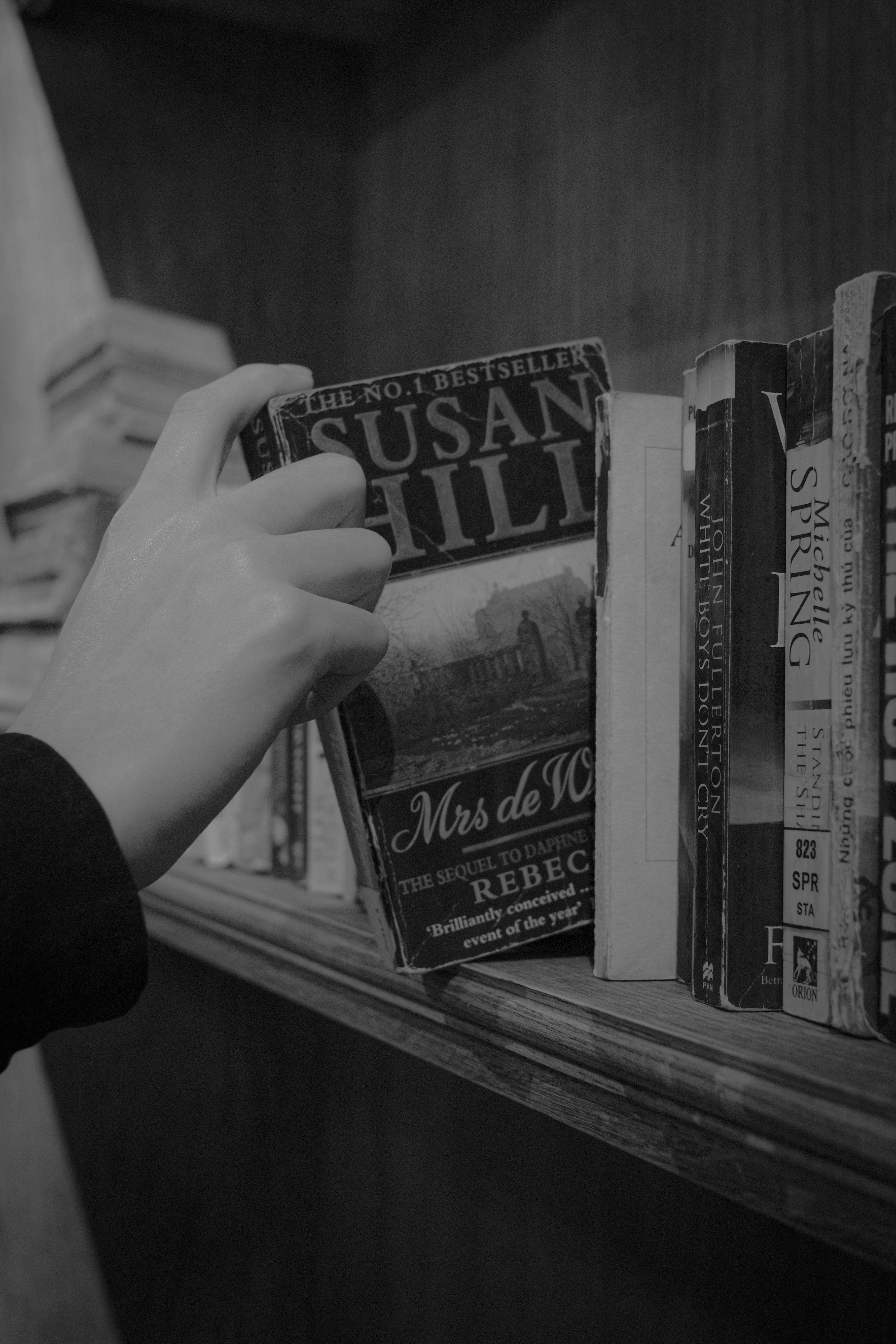
Introduction to Shirley Jackson
Shirley Jackson is recognized as a pivotal figure in American literature, particularly within the genre of psychological horror. Born on December 14, 1916, in San Francisco, California, she grew up in a well-educated family and exhibited a penchant for creating stories from an early age. Jackson’s childhood was marked by an environment that nurtured her creativity, even as she faced personal challenges that would later inform her writing. She attended the University of Rochester, where she began to hone her craft, although she later transferred to Syracuse University, where she graduated in 1940.
Jackson’s literary career began with the publication of short stories in various magazines throughout the 1940s. Her breakthrough came with the publication of “The Lottery” in 1948, which stirred up significant controversy and established her as a formidable voice in the literary canon. This story not only highlighted her unique approach to storytelling but also set the stage for her exploration of the darker aspects of human nature, which became a hallmark of her work.
An adept observer of societal norms and personal anxieties, Jackson’s work often delves into the complexities of psychological horror. Her ability to evoke unease through subtlety rather than overt violence sets her apart from her contemporaries. In novels like “We Have Always Lived in the Castle” and “The Haunting of Hill House,” she skillfully constructs narratives that reflect the intricacies of isolation, paranoia, and the human psyche. Through this lens, Jackson emerges not just as an author but as a chronicler of the underlying fears that permeate everyday life.
Shirley Jackson’s literary influence continues to resonate, inspiring contemporary writers and filmmakers alike. Her unique blend of the unsettling and the ordinary has secured her a lasting legacy in the annals of American literature, solidifying her status as the master of quiet psychological horror.
The Art of Subtle Horror
Shirley Jackson’s distinctive style is a hallmark of psychological horror, where tension and atmosphere reign supreme over graphic depictions of violence. Her ability to evoke fear from the mundane illustrates her mastery in crafting unsettling narratives. Jackson often employs ordinary, everyday settings, transforming the familiar into spaces of dread. This technique effectively highlights the contrast between normalcy and the lurking chaos, and it is this juxtaposition that cultivates an underlying sense of unease for her readers.
One of the key elements in Jackson’s writing is her focus on the psychological dimensions of fear. Rather than relying on sinister apparitions or explicit horror tropes, she delves into the thoughts and anxieties of her characters, making the reader acutely aware of their internal conflicts. Characters in her stories often grapple with isolation, societal pressures, and their dark impulses. This exploration of the human psyche serves to strengthen the eerie atmosphere that permeates her work. Readers become spectators to the unraveling of reality through the characters’ eyes, fostering an intimate understanding of their insecurities and fears.
In addition, Jackson’s use of relatable characters amplifies the sense of horror in her narratives. These characters often experience subtle alienation or paranoia, allowing readers to see themselves in their shoes. This method effectively generates a psychological response, as the fear evoked is not only of the external circumstances but also reflects the inner fears shared by many—fear of judgment, failure, or loss of control. Through this lens, Jackson crafts a world where horror is not merely an external force but also a manifestation of human frailty.
In essence, Jackson’s brand of horror thrives on the unsettling nature of reality, where terror resides not in the grotesque but in the simple, everyday experiences. Her skillful amalgamation of psychological depth and atmospheric dread produces a chilling effect that resonates long after the last page is turned.
Key Works and Their Impact
Shirley Jackson, known for her profound ability to evoke unease and terror, crafted several notable works which have left an indelible mark on literature, particularly within the horror genre. Two of her key novels, The Haunting of Hill House and We Have Always Lived in the Castle, exemplify her unique narrative style and exploration of complex psychological themes.
The Haunting of Hill House, published in 1959, involves four individuals who arrive at a supposedly haunted mansion to investigate paranormal activities. As the story unfolds, Jackson intricately weaves themes of isolation, psychological instability, and the nature of fear itself. Her portrayal of Eleanor Vance, the protagonist, showcases an internal struggle that resonates with readers, illuminating the fine line between sanity and insanity. The novel’s impact has been profound, influencing subsequent horror writers and adaptations, including a recent Netflix series that brought Jackson’s work to a wider audience.
Meanwhile, We Have Always Lived in the Castle offers a compelling exploration of outsider status and familial bonds. This 1962 novel centers on the Blackwood sisters, Mary Catherine and Constance, who live in seclusion due to the tragic death of their family. Jackson delves into themes of social alienation and the repercussions of intense familial loyalty. This novel continues to captivate readers with its atmospheric tension and unreliable narration, further contributing to Jackson’s reputation as a master of psychological horror.
Both works have significantly shaped literary discussions around horror, offering insights into the human psyche and the darker aspects of existence. Jackson’s unique ability to intertwine psychological insight with elements of horror has not only redefined the genre but also inspired countless authors who followed in her footsteps.
Themes of Isolation and the Human Psyche
In the works of Shirley Jackson, themes of isolation and the intricacies of the human psyche prominently emerge, reflecting both personal and societal complexities. Jackson often portrays characters who find themselves in alienating environments, emphasizing the psychological effects of solitude and societal expectations. This exploration is not merely superficial; it delves deep into how isolation shapes identity and alters perceptions of reality.
Isolation, in Jackson’s narratives, often manifests in different forms—be it physical, emotional, or social. For instance, in “The Haunting of Hill House,” the characters are drawn to the eerie mansion not just by its supernatural allure but also by personal grievances and a desire to confront their own inner turmoil. This setting, a character in its own right, acts as a catalyst for revealing the often hidden fears and struggles of individuals. The protagonists grapple with their sense of self amidst the oppressive ambiance, highlighting the profound impact of their surroundings on their psyche.
Moreover, Jackson’s focus on the human psyche reveals her insightful commentary on societal norms and the psychological fractures they can create. The tension between individuality and conformity is palpable in her stories. Characters frequently navigate their identities in response to societal pressures, leading to a profound sense of disconnection. This aspect resonates with the literary culture of her time, as it touches on broader issues such as gender roles and mental health. Jackson’s writing reflects her acute awareness of the conflicts that arise when personal identity clashes with societal expectations.
In summary, Shirley Jackson artfully intertwines themes of isolation and the complexities of the human psyche, demonstrating how deeply personal experiences are influenced by the broader social context. Her work encourages readers to contemplate how factors like solitude and societal norms shape not only individual identities but also the collective human experience.
Female Perspective in Horror
Shirley Jackson’s work is often heralded for its intricate portrayal of women navigating the oppressive confines of societal expectations, which resonates profoundly with contemporary audiences. Her narratives frequently center on female characters who grapple with psychological turmoil, illustrating the effects of isolation and anxiety that arise from societal pressures. In this regard, Jackson’s exploration of the female experience in her horror narratives transcends mere fiction; it provides a lens through which readers can examine historical and ongoing gender dynamics.
In novels such as “The Haunting of Hill House,” Jackson deftly examines the inner lives of women, showcasing their struggles against both external and internal antagonisms. The protagonist, Eleanor Vance, embodies a profound sense of displacement and yearning, which mirrors the societal constraints often imposed on women. Through Eleanor’s experiences, Jackson critiques the ways in which women’s identities are often overshadowed by societal roles that demand conformity. This intersection of gender and horror emphasizes the psychological landscape of her characters, crafting a deeply unsettling yet relatable narrative.
Additionally, Jackson’s short story “The Lottery” serves as a pointed commentary on the societal machinations that dictate women’s lives. The women in this story, while participating in a communal ritual, reveal the darker truths about conformity, tradition, and the lengths to which society will go to maintain control over individuals. This theme of subjugation and the examination of female agency highlight Jackson’s feminist undertones, emphasizing the need for a re-evaluation of the societal norms governing women’s lives.
Today, the themes present in Jackson’s work continue to resonate, fueling discussions about gender and representation in literature and media. Her ability to weave the complex psychological turmoil of women into the fabric of horror stories allows for a richer understanding of the female experience. As such, Shirley Jackson’s contributions to the genre exemplify how the exploration of women’s perspectives can provide profound insight into the broader societal issues that persist today.
Shirley Jackson emerged as a significant literary figure in the mid-20th century, a period marked by considerable cultural upheaval and transition. The societal norms of the post-war era influenced her writing, as the American populace grappled with the aftermath of World War II and the corresponding shifts in gender roles, family structures, and societal expectations. Her work reflects the underpinning anxieties prevalent during this time, as individuals faced increasingly complex questions about identity and morality amidst a backdrop of suburban normalcy.
In the post-war United States, the idealization of family and home often masked deeper issues, including fear of conformity and the potential for violence lurking beneath the surface of everyday life. Jackson’s narratives frequently dissect these themes, revealing the darker aspects of seemingly tranquil settings. The dissonance between the ideal and the real allowed her to explore the ineffable tensions present in her characters’ lives, posing critical questions about the nature of evil and the human psyche.
Moreover, the burgeoning feminist movement during Jackson’s career introduced a new lens through which her work can be analyzed. As women began to claim more agency in both the private and public spheres, Jackson’s exploration of female characters—often portrayed as confined or oppressed—comes into sharper focus. These portrayals resonate with the socio-political landscape, illustrating how entrenched patriarchal structures influence personal and communal dynamics. The resultant conflicts often serve as catalysts for her characters’ psychological turmoil, thus enhancing the depth and relevance of her horror narratives.
Ultimately, Jackson’s contributions to literature cannot be divorced from the cultural and historical context that shaped her viewpoints. Her deft ability to weave social critique into her unsettling tales captures the essence of an era grappling with its identity, making her work both timeless and incredibly poignant in its engagement with the human condition.
Legacy and Influence
Shirley Jackson occupies a pivotal position in the realm of psychological horror, and her legacy continues to resonate powerfully within literature and cinema. Her ability to weave intricate narratives that explore the complexities of human psychology has influenced a myriad of contemporary authors and filmmakers. Jackson’s work often evokes a sense of dread through subtlety rather than overt horror, a hallmark that has inspired countless writers seeking to evoke psychological tension and existential fear.
One of Jackson’s most celebrated works, “The Haunting of Hill House,” remains a significant influence, not only in literary circles but also in film adaptations and television series. The themes of isolation and the fragility of the human mind that she explored have been echoed in the works of modern horror authors such as Paul Tremblay and Tana French. Additionally, filmmakers like Mike Flanagan have drawn upon Jackson’s narrative styles, utilizing atmospheric tension and character development to evoke emotions that linger long after the story ends.
Jackson’s contribution extends beyond the realm of horror; her exploration of social dynamics and the uncanny in everyday life has resonated in various genres, prompting dialogues on societal norms and personal identity. Her short stories, such as “The Lottery,” have become seminal works that challenge readers to confront uncomfortable realities, influencing writers who integrate social commentary within the horror framework.
Moreover, her impact is evident in popular culture, with references to her works appearing in diverse media forms. The enduring relevance of Shirley Jackson in today’s cultural landscape underscores the depth and complexity of her narratives. As authors and creators continue to draw from her well of psychological insights, her legacy as a master of quiet horror remains firmly established in the hearts of audiences and creators alike.
Adaptations and Popular Media
Shirley Jackson’s literary contributions, particularly in the realm of psychological horror, have inspired a myriad of adaptations across various forms of media, including film, television, and theater. These adaptations often serve as a testament to the enduring quality of her narratives, which delve into the complexities of human psychology and societal norms. One of the most notable adaptations is the 1963 film The Haunting, directed by Robert Wise. This adaptation of her novel The Haunting of Hill House is acclaimed for its atmospheric tension and its commitment to Jackson’s themes of isolation and fear. The film has remained influential, influencing the genre’s conventions for decades.
In recent years, adaptations have continued to surface, most notably in the form of Netflix’s critically acclaimed series The Haunting of Hill House (2018). This modern retelling is notable not only for its reinterpretation of the source material but also for integrating contemporary themes such as trauma and family dynamics. It successfully captures the essence of Jackson’s original storytelling while appealing to a new generation of viewers. The reception of these adaptations often varies, with some audiences embracing the fresh approaches, while others prefer a more traditional representation of Jackson’s work.
Theater also plays a significant role in adapting Jackson’s stories, with various stage productions based on her works receiving attention. These adaptations often strip down the narrative to emphasize the psychological aspects over visual horror, maintaining a focus on the characters’ internal struggles, a hallmark of Jackson’s style. Overall, whether through the mediums of film, television, or theater, the adaptations of Shirley Jackson’s work remain a fascinating exploration of how her unique brand of horror translates into different contexts, reflecting the continued relevance and allure of her stories in popular culture.
Conclusion: Shirley Jackson’s Enduring Relevance
Shirley Jackson holds a prominent place in the realm of psychological horror, her works serving as a cornerstone for the genre. The lasting influence of her stories, such as “The Haunting of Hill House” and “We Have Always Lived in the Castle,” reflects not only her masterful storytelling but also her ability to tap into the complexities of human psychology. Although Jackson’s writings emerged in the mid-20th century, they continue to captivate contemporary audiences, reaffirming her importance in modern literature.
One of the key aspects of Jackson’s impact is her exploration of fear and societal norms. She delves into the psychological intricacies of her characters, often portraying the silent struggles faced by individuals within oppressive environments. This ability to evoke unease and suspense without the overt use of gore positions her works as timeless. Readers find resonance in her narratives, recognizing their reflections of modern-day anxieties and societal pressures.
In addition to her psychological insights, Jackson’s themes of isolation and alienation are increasingly relevant in today’s world. As social dynamics evolve, her commentary on the human condition remains pertinent, allowing new generations to connect deeply with her work. The psychological unrest experienced by her characters resonates with contemporary readers, who may grapple with their own feelings of disconnection in a rapidly changing society.
Moreover, the resurgence of interest in Shirley Jackson has led to a variety of adaptations in film, television, and literature, bringing her haunting tales to new audiences and ensuring her relevance persists. This adaptation trend demonstrates that Jackson’s unique approach to horror transcends time, continually appealing to those who seek exploration into the darker facets of existence.
In summary, Shirley Jackson’s enduring relevance in the psychological horror genre is a testament to her profound understanding of the human psyche. As her works continue to be celebrated and rediscovered, it is clear that she remains a pivotal figure who has shaped the landscape of horror fiction, leaving an indelible mark on both literature and culture.